


SPORTS

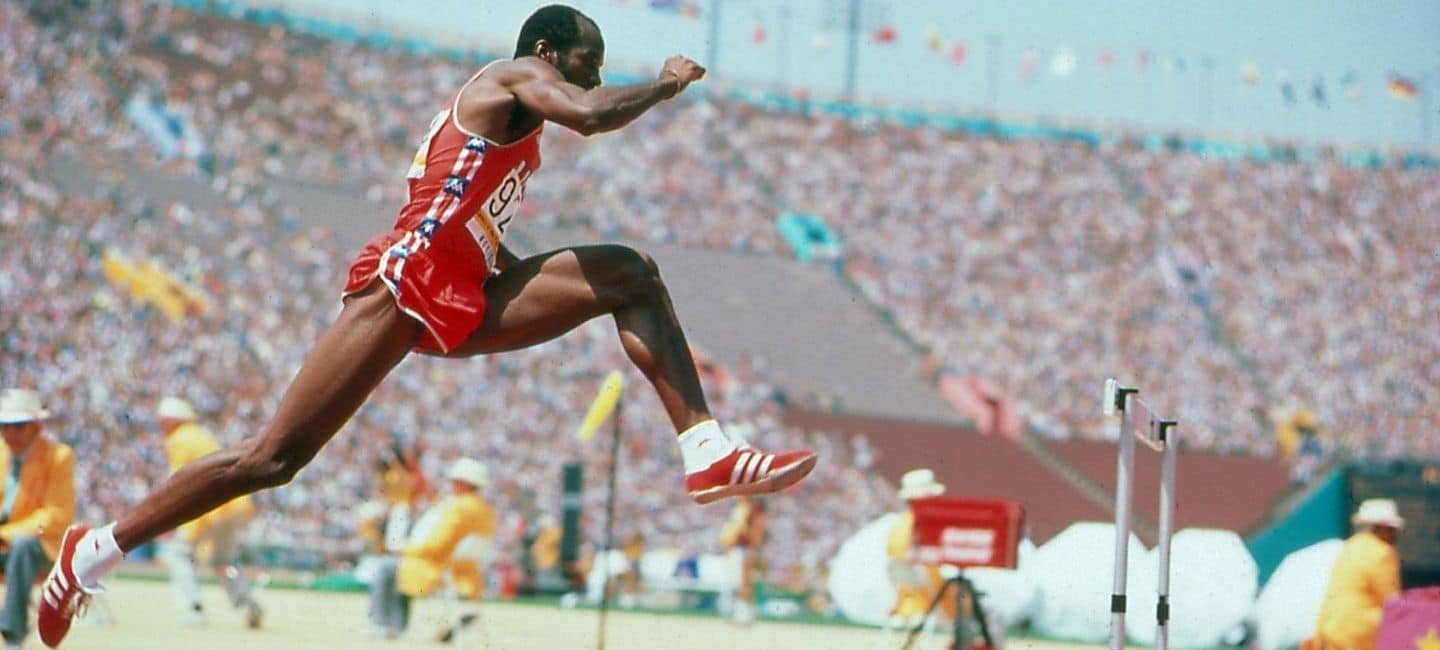
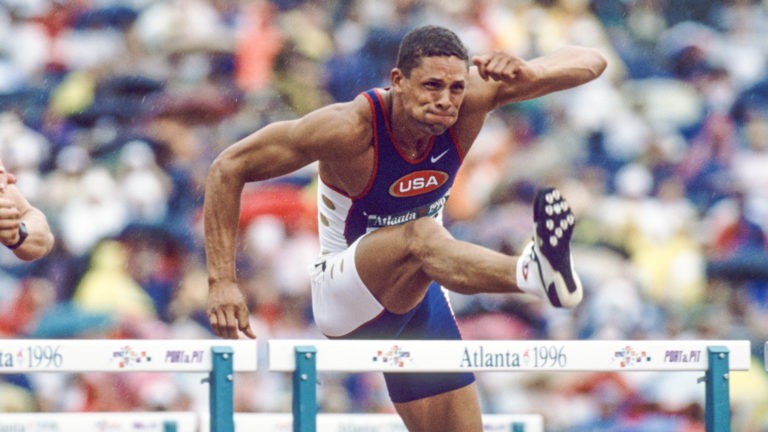
Edwin Moses at the 1984 Los Angeles Olympic Games

Share

TRACK AND FIELD & PARA TRACK AND FIELD

The History of Track and Field

Track and field athletics is one of the oldest forms of organized sport, encompassing a wide range of running, jumping, and throwing events. While the sport developed across many countries during the late 1800s, global interest surged following the revival of the Olympic Games in 1896.

Track and Field in the Olympics

Track and Field in the Olympics | U.S. Olympic & Paralympic Museum

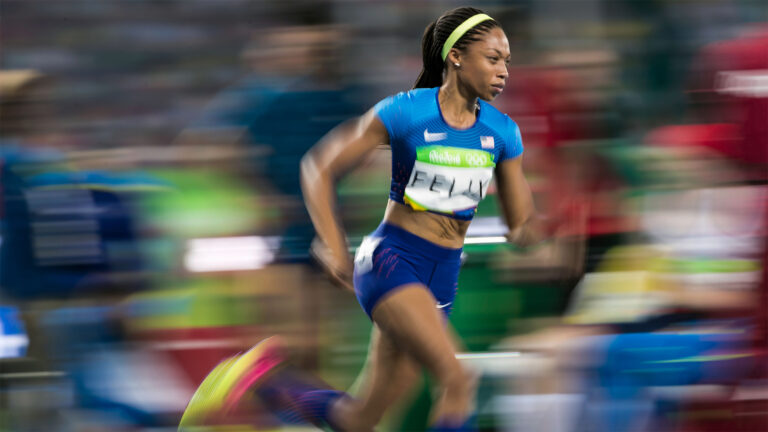
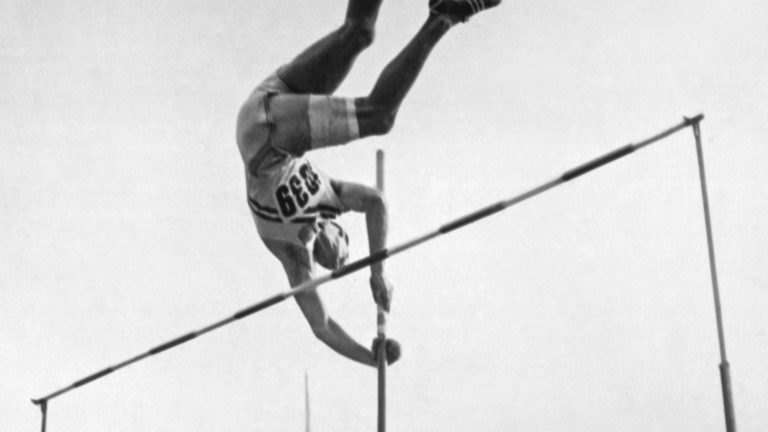
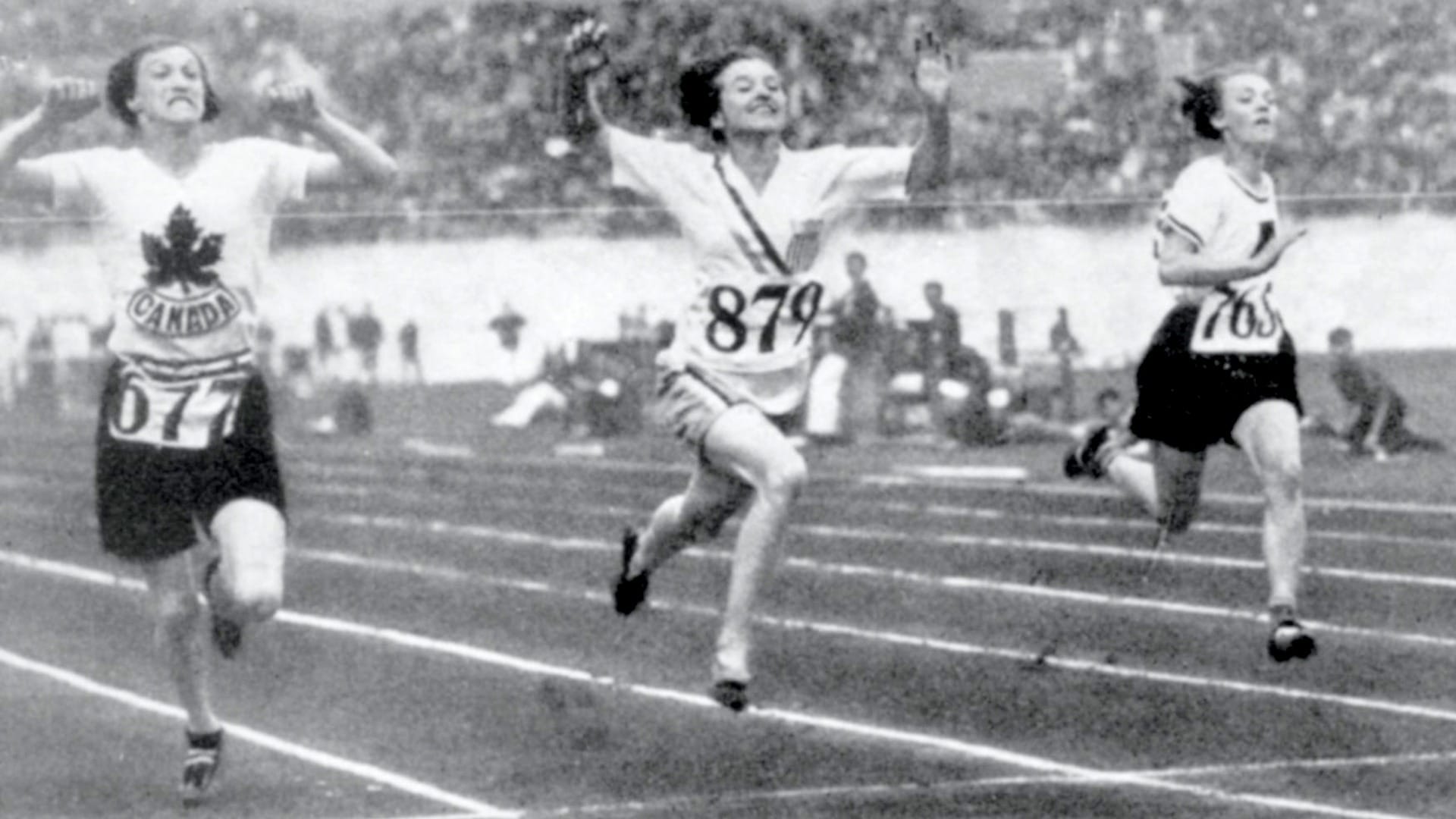
Track and field, also known as athletics, made its Olympic debut as a men’s only competition at the 1896 Summer Games in Athens. Women’s events were later introduced at the 1928 Olympic Games in Amsterdam.

Today, track and field is the largest sport in the Summer Olympics, featuring 48 events and practiced in more than 200 countries worldwide. Competitions primarily take place in the main stadium and span nearly the entire duration of the Games, making athletics one of the most anticipated and widely viewed Olympic events.

Track and Field Events in the Olympics

Track and field includes a diverse range of events grouped into track, field, road, and combined disciplines.

Track Events
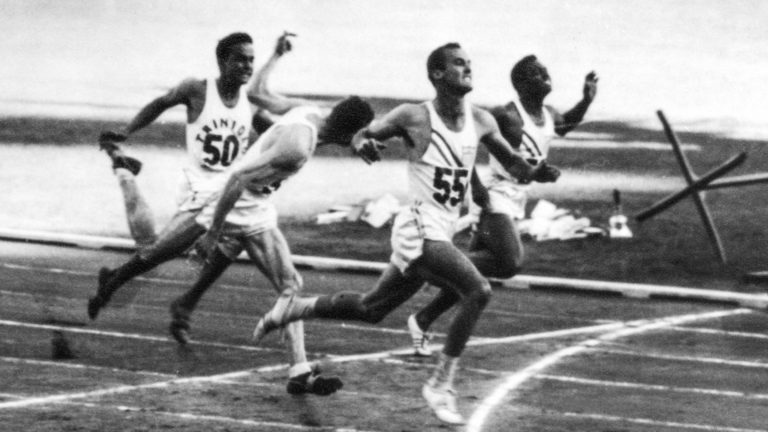
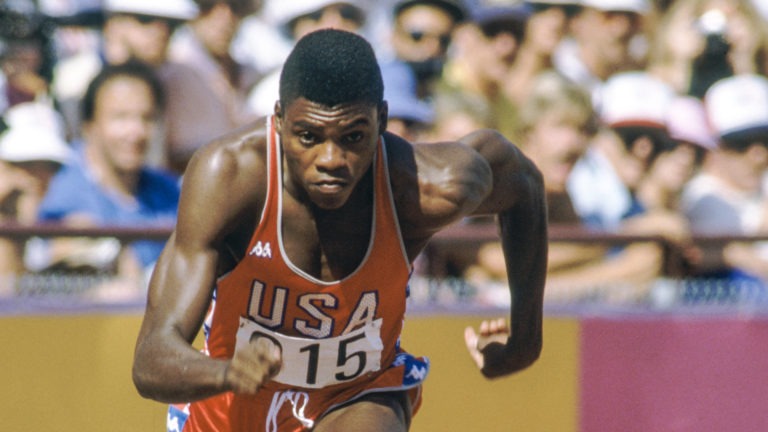
  • Sprints: 100m, 200m, 400m
  • Middle & Long Distance: 800m, 1500m, 5000m, 10000m, 3000m steeplechase
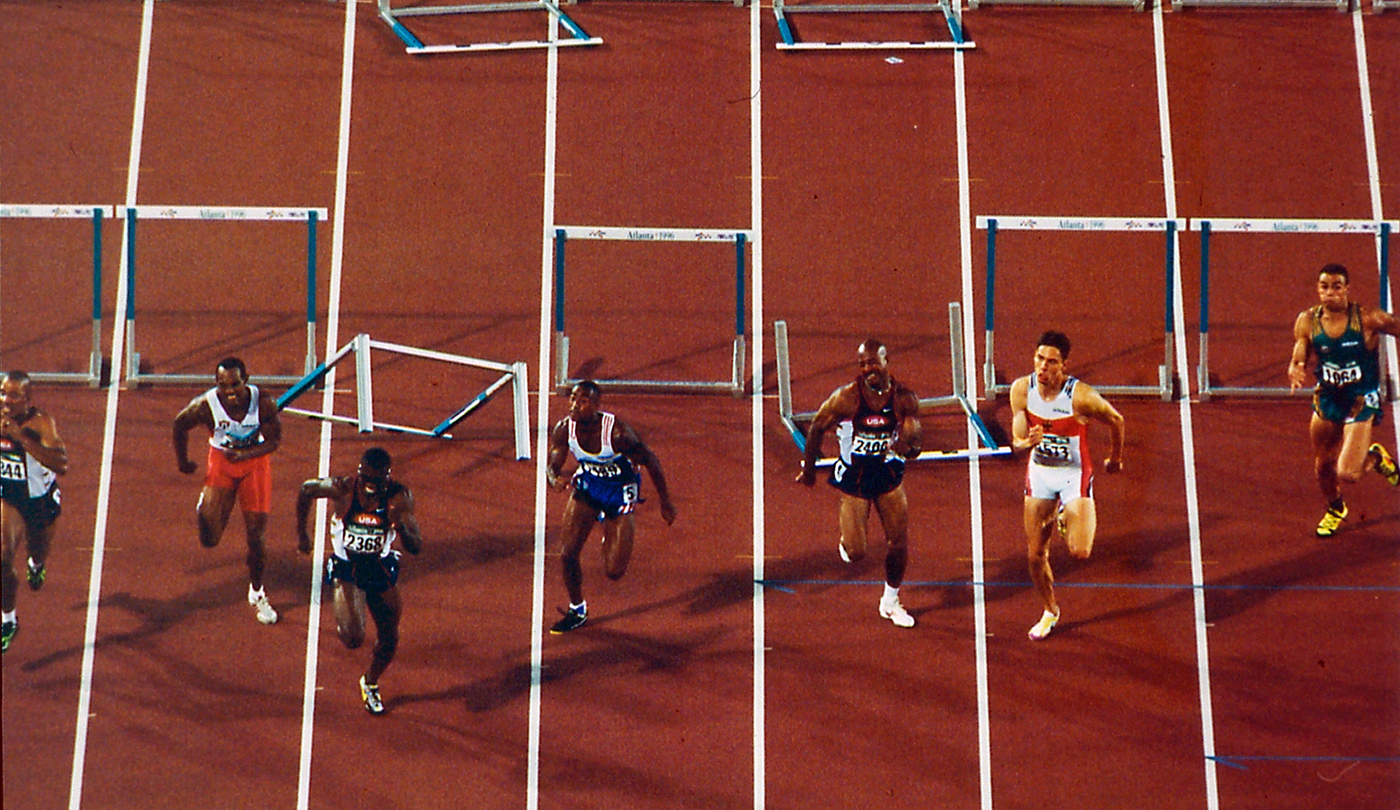
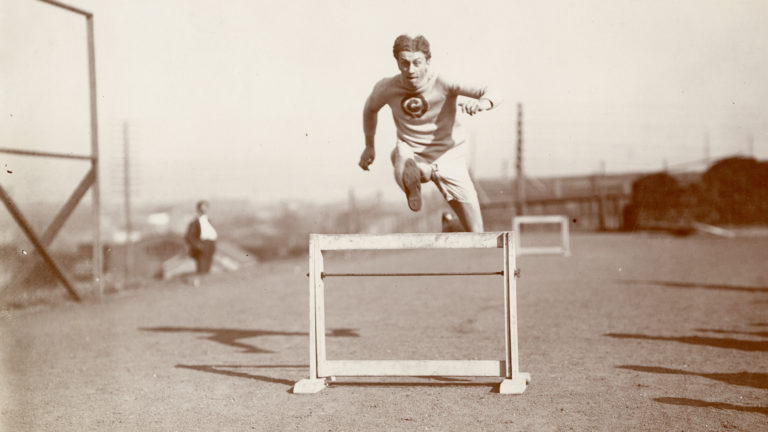
  • Hurdles: 100m (women), 110m (men), 400m
  • Relays: 4x100m, 4x400m, mixed 4x400m
Field Events
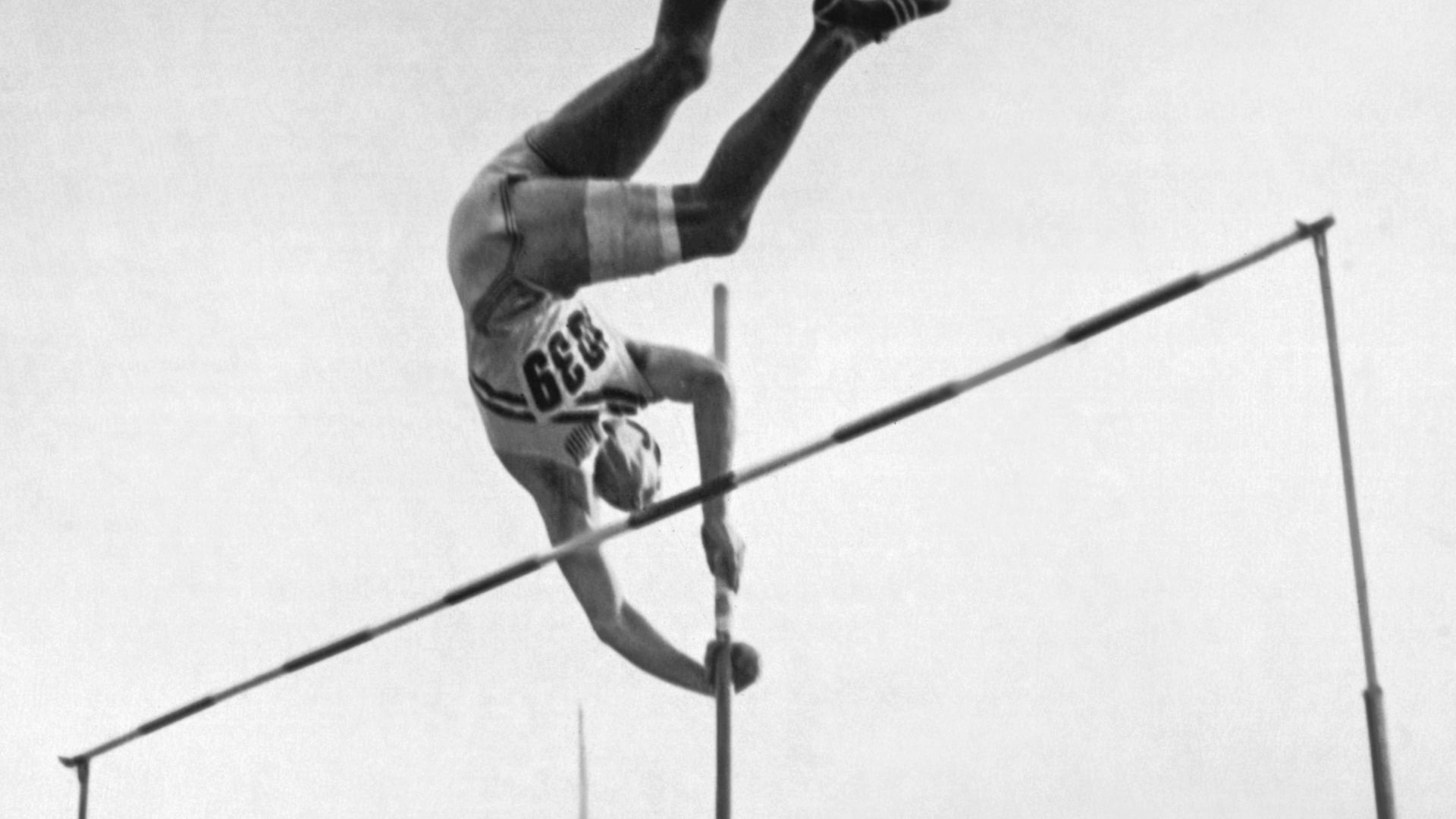
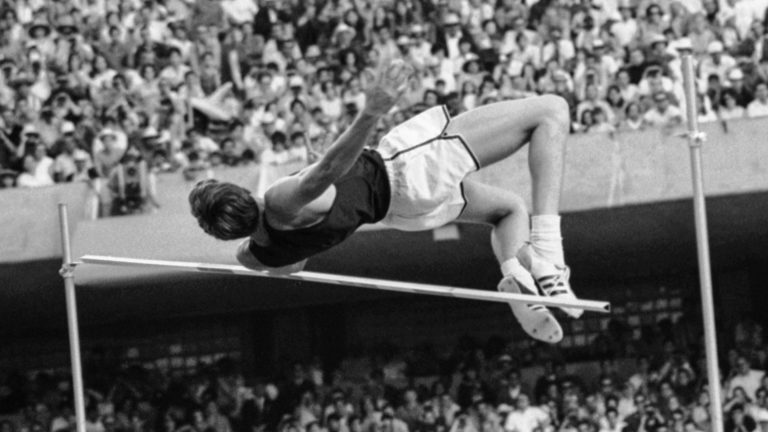
  • Jumps: High jump, pole vault, long jump, triple jump
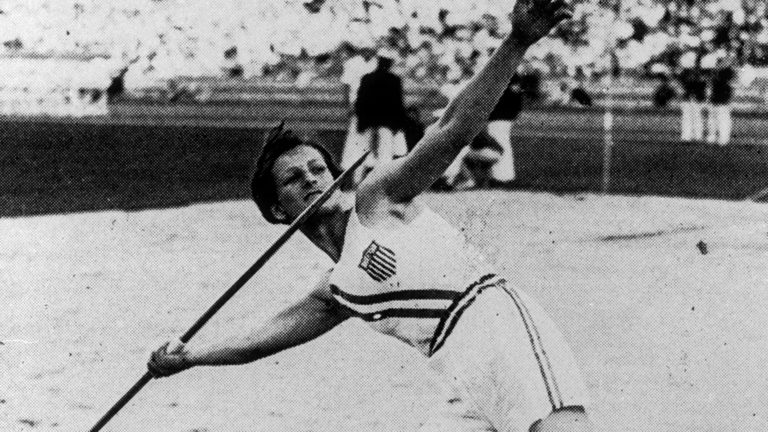
  • Throws: Shot put, discus throw, hammer throw, javelin throw
Road Events
  • Marathon
  • Race Walks: 20km race walk, marathon race walk mixed relay
Combined Events
  • Heptathlon (women)
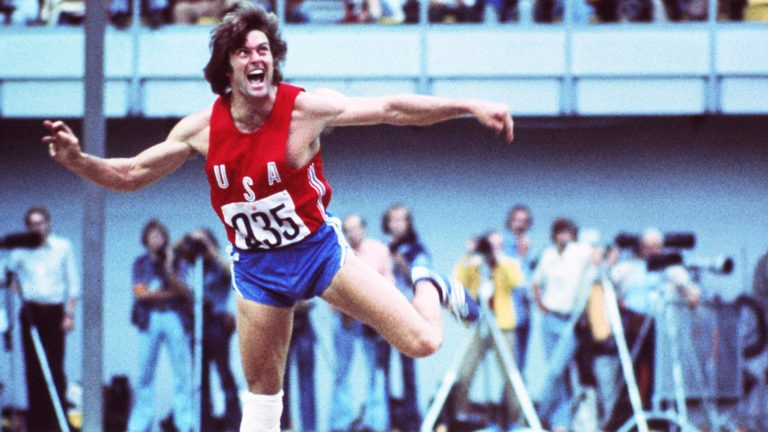
  • Decathlon (men)
Key Differences Between Men’s and Women's Events
  • Hurdles: Men compete in the 110m hurdles, while women compete in the 100m hurdles
  • Combined Events: Men compete in the decathlon (10 events), while women compete in the heptathlon (7 events)

Team USA’s Legacy in Olympic Track and Field

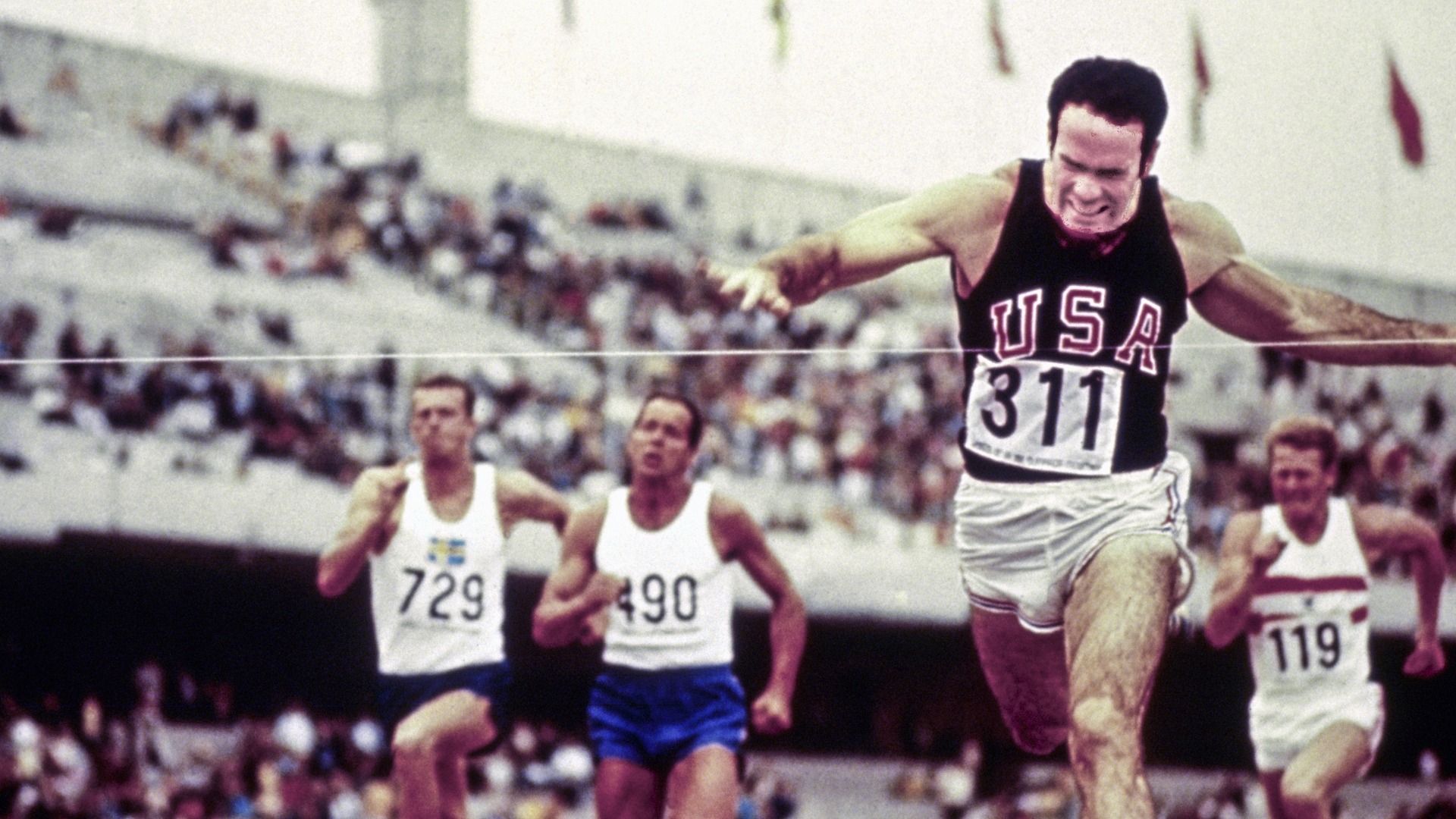
The United States has played a defining role in shaping the sport of track and field, with American athletes producing some of the most iconic performances in Olympic track and field history.

Notable U.S. Olympic track and field athletes include:

Fun Facts About Olympic Track and Field

  • The winner of the 100m dash is often called the “fastest person in the world.”
  • The decathlon champion is traditionally known as the “world’s greatest athlete.”
  • Florence Griffith Joyner still holds the women’s world records in both the 100m and 200m.

In addition to Olympic competition, track and field plays a central role in the Paralympic Movement.

The History of Para Track and Field

Dr. Ludwig Guttmann introduced para athletics as part of rehabilitation programs for World War II veterans with spinal injuries. In 1948, Guttmann organized the first Stoke Mandeville Games in Great Britain, where para track and field was first introduced.

Para Track and Field in the Paralympics

Para Track and Field in the Paralympics | U.S. Olympic & Paralympic Museum

Para track and field events have been contested at every Paralympic Summer Games since 1960. The United States dominated para track and field competition from 1964 through 1996, establishing its legacy on the global stage.

Paralympic Track and Field Events

Paralympic track and field includes many of the same disciplines as Olympic competition, with events adapted for athletes across various classifications. Some Olympic events, such as hurdles, are included in limited classifications, while pole vault and hammer throw are not. In their place, the Paralympics include adapted events like wheelchair racing and the club throw.

Team USA’s Legacy in Para Track and Field

From early dominance in the mid-20th century to continued success today, Team USA has long been a global leader in Paralympic track and field, producing generations of world-class athletes.

Fun Facts About Paralympic Track and Field

  • Para track and field is one of the largest sports in the Paralympic Games.
  • Events are organized by classification to group athletes based on the type and extent of their impairment.
  • Para athletics was one of the original eight sports at the 1960 Rome Paralympic Games.

Honor the Legacy of Olympic & Paralympic Track and Field at the U.S. Olympic & Paralympic Museum

The Hall of Fame at the U.S. Olympic & Paralympic Museum captures the past and present accomplishments of Olympic and Paralympic track and field legends from Team USA. Plan your visit to Colorado Springs and explore the stories of athletes who changed history.

FAQs: Olympic & Paralympic Track and Field

The main track and field events are track events, field events, road events, and combined events.

There are 48 track and field events in the Summer Olympics (24 for men and 24 for women).

A false start in Olympic track and field is when a sprinter leaves the starting blocks before the gun fires, or initiates movement in less than 0.1 seconds after the gun fires. Any athlete responsible for a false start is immediately disqualified from the race.

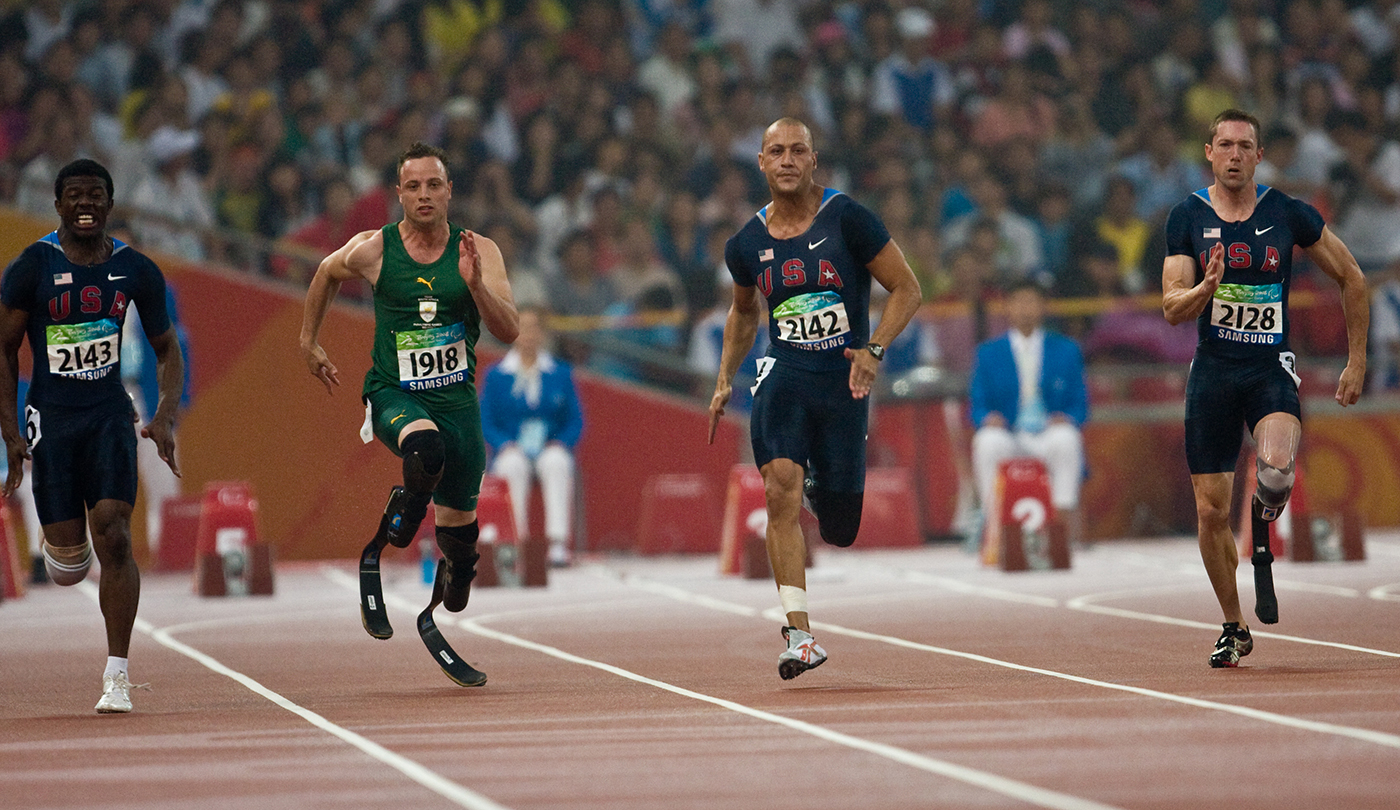
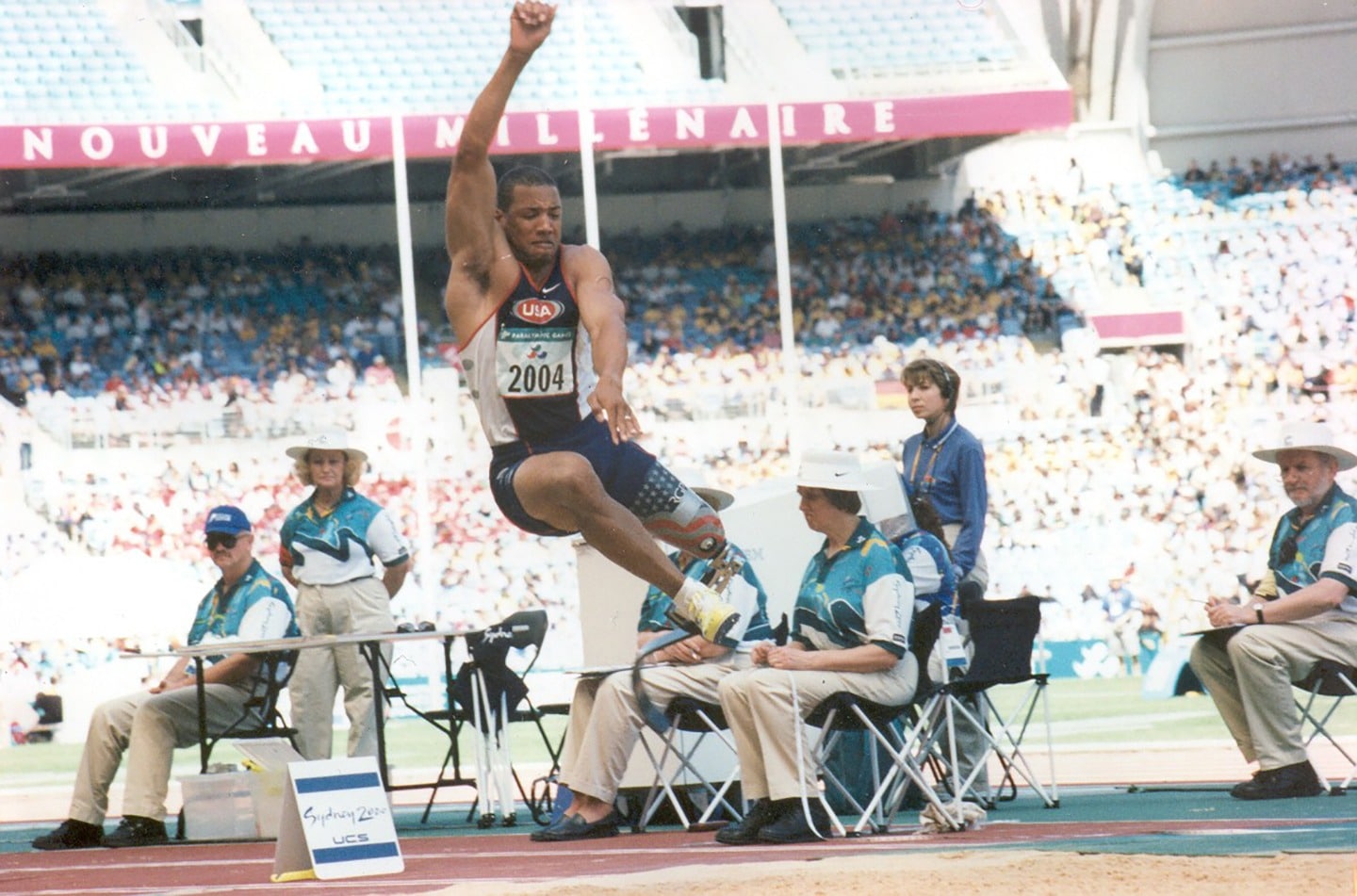
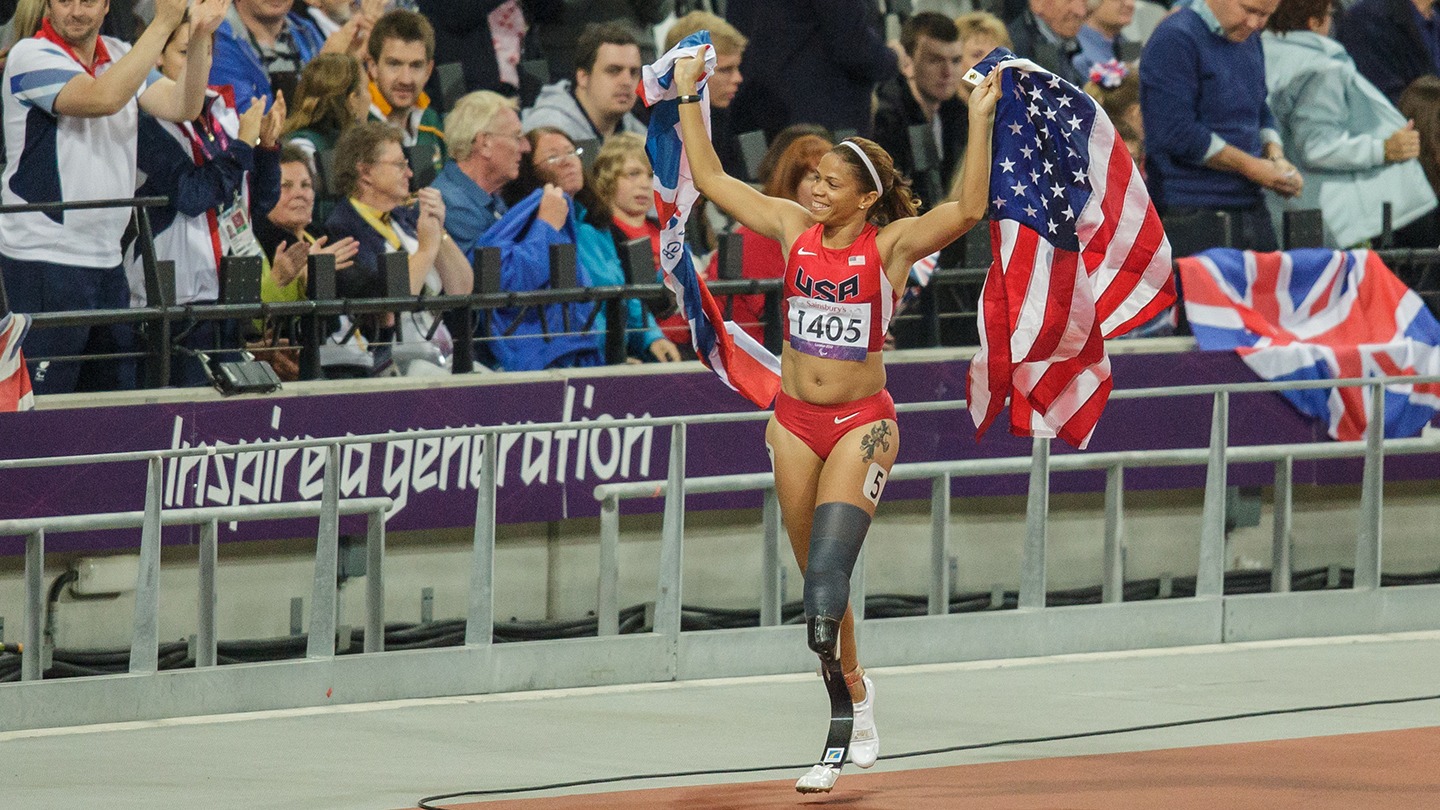
Paralympic track and field athletes may use specialized equipment such as running blades, racing wheelchairs, throwing frames, prosthetics, and visual aids like sighted guides, rope tethers, and acoustic devices.

Paralympic track and field classifications group athletes by impairment type, including visual, intellectual, and physical impairments such as limb deficiency, cerebral palsy, prosthetics, or wheelchair use.

Track and Field & Para Track and Field Hall of Famers

Ed Temple

Ed Temple built Tennessee State University women’s track and field into a powerhouse. Forty of his athletes competed in the Olympics. He coached the 1960 and 1964 U.S. Olympic Women’s Track Teams.

Read More »

Florence Griffith Joyner

Florence Griffith Joyner was one of the most flamboyant runners of all time. Known for her long hair, long fingernails and bright track suits, FloJo won three Olympic gold medals and two silvers.

Read More »

Frank Shorter

At the Munich 1972 Olympic Games, Frank Shorter became the first American man in 64 years to win an Olympic marathon gold medal. He added a silver at the Montreal 1976 Olympic Games.

Read More »
Frank Wykoff - Track and Field Olympian & 3x Gold Medalist | USOPM

Frank Wykoff

Frank Wykoff won gold medals in the 4×100-meter relay at three consecutive Olympic Games, the first athlete to accomplish that feat.

Read More »
Gail Devers - U.S. Olympic Sprinter & Track and Field Gold Medalist | USOPM

Gail Devers

Diagnosed with Graves’ disease, sprinter Gail Devers nearly needed her feet amputated. But she recovered to win three gold medals and competed in five Olympic Games.

Read More »
Glenn Davis – U.S. Track & Field Legend & Three-Time Olympic Gold Medalist

Glenn Davis

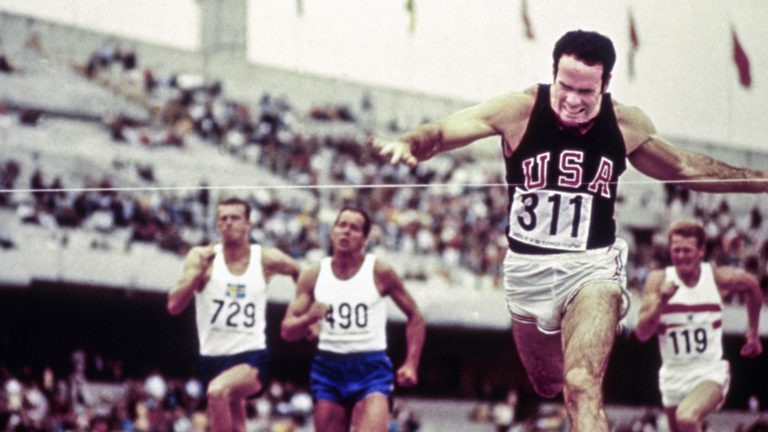
Glenn “Jeep” Davis had blazing speed that carried him to three Olympic gold medals. Following his track career, he played two years of professional football in the NFL before becoming a track coach.

Read More »

Harrison Dillard

Harrison “Bones” Dillard is the only man to win Olympic gold medals in the 100-meter dash and the 110-meter hurdles. In between the 1948 and 1952 Olympic Games, he served in the U.S. Army.

Read More »
James Connolly – First Modern Olympic Champion (1896) from the U.S. | USOPM

James Connolly

James Connolly dropped out of Harvard to participate in the first-ever modern Olympics, the Athens 1896 Olympic Games, where he placed first in the very first event, the triple jump.

Read More »
Jim Thorpe at the Stockholm 1912 Olympic Games

Jim Thorpe

The first Native American to win an Olympic gold medal for the U.S., Jim Thorpe won the pentathlon and decathlon at the Stockholm 1912 Olympic Games. He later played pro baseball and football.

Read More »

Joan Benoit

Joan Benoit had knee surgery 17 days before the 1984 U.S. Olympic Trials, but finished first at the Trials and won gold in the first-ever Olympic women’s marathon at the Los Angeles 1984 Olympic Games.

Read More »

John Carlos

John Carlos and Tommie Smith’s protest for racial equality has echoed throughout the sports world since the Mexico City 1968 Olympic Games.

Read More »

Lee Calhoun

Lee Calhoun was the first male athlete to win consecutive Olympics gold medals in the 110-meter hurdles, winning photo finishes at the Melbourne 1956 Olympic Games and Rome 1960 Olympic Games.

Read More »
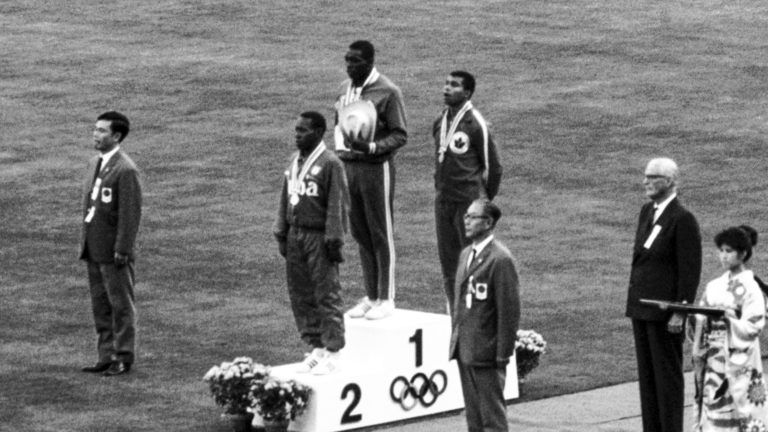
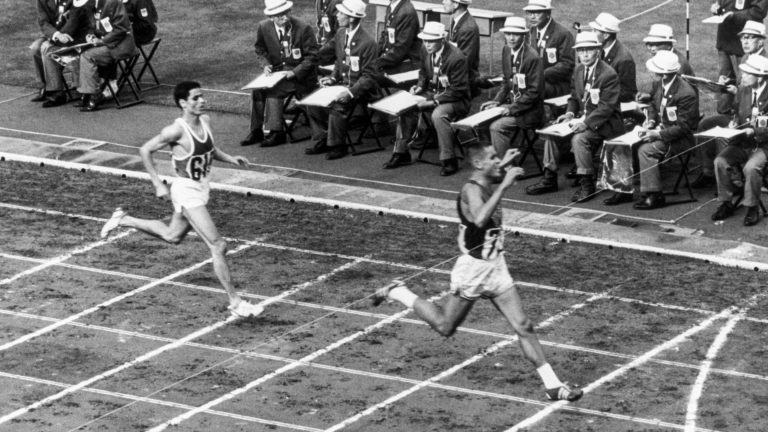
Lee Evans stands on a podium

Lee Evans

A founding member of the Olympic Project for Human Rights, Lee Evans (center) won gold medals in the 400-meter run and the 4×400-meter relay at the Mexico City 1968 Olympic Games.
Read More »

LeRoy Walker

LeRoy Walker was the first Black American to coach a U.S. Olympic Team, guiding the men’s track and field team to six gold medals in the Montreal 1976 Olympics.

Read More »

Mal Whitfield

Mal Whitfield won gold in the 800-meter run and the 4x-400-meter relay at the London 1948 Olympic Games, becoming the first American active-duty service member to win an Olympic gold medal.

Read More »

Marla Runyan

Marla Runyan, the first legally blind athlete to compete in the Olympics, broke barriers with a career that includes six Paralympic medals—five of them gold.

Read More »

Mel Sheppard

Unable to get a job as a New York City policeman, Mel Sheppard focused on training for The Olympics and won four gold medals and one silver as a middle-distance runner.

Read More »

Notable Moments in Olympic Track and Field & Para Track and Field

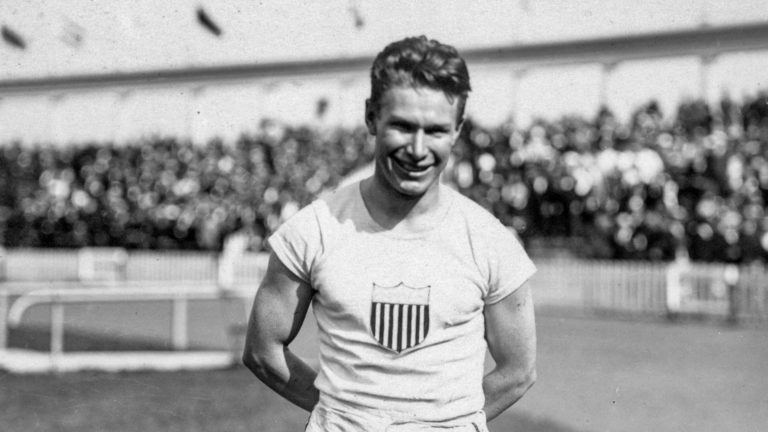
Charlie Moore won Olympic gold in the 400-meter hurdles and went on to a career as a businessman, the athletic director at Cornell University and in philanthropy. He passed away on Oct. 8 at age 91.
Paralyzed from the waist down after a skiing accident, Chris Waddell went on to compete in seven Paralympic Games, winning 13 medals and becoming the most decorated male monoskier in U.S. history.
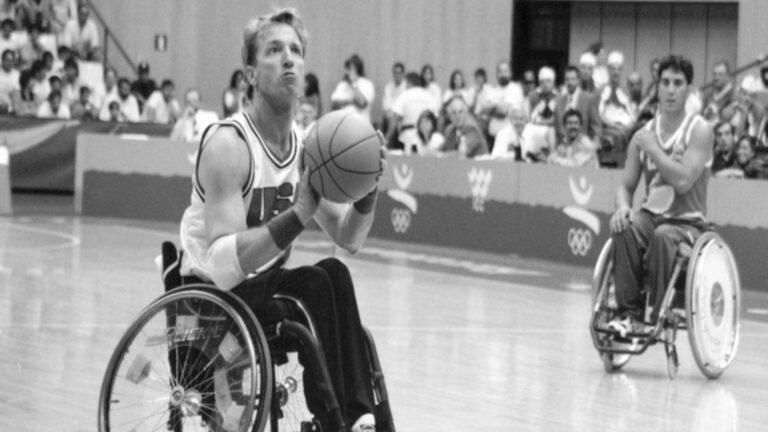
David Kiley competed at five Paralympic Games in wheelchair basketball, track and field, and alpine skiing. He won a total of 13 Paralympic medals.
Explore Hall of Fame Athlete By Sport

Skip to content