



SPORTS
Cycling in the Olympics and Para Cycling in the Paralympics

Share

CYCLING & PARA CYCLING

What is Cycling?

Cycling is the activity or sport of riding a bicycle for transport, recreation, or exercise. As a competitive sport, cycling showcases everything from high-speed sprints to judged freestyle tricks to rugged cross-country races.

The History of Cycling

The history of cycling dates back to the early 1800s with Karl Drais’s pedal-less wooden walking machine in 1817. Nearly 70 years later, John Kemp Starley’s chain-driven safety bicycle in 1885 gave the modern bike its recognizable shape. From there, the sport kept evolving into today’s lightweight carbon-fiber road racers, rugged mountain bikes, and efficient e-bikes.

Cycling in the Olympics

Discover the history of Olympic Cycling

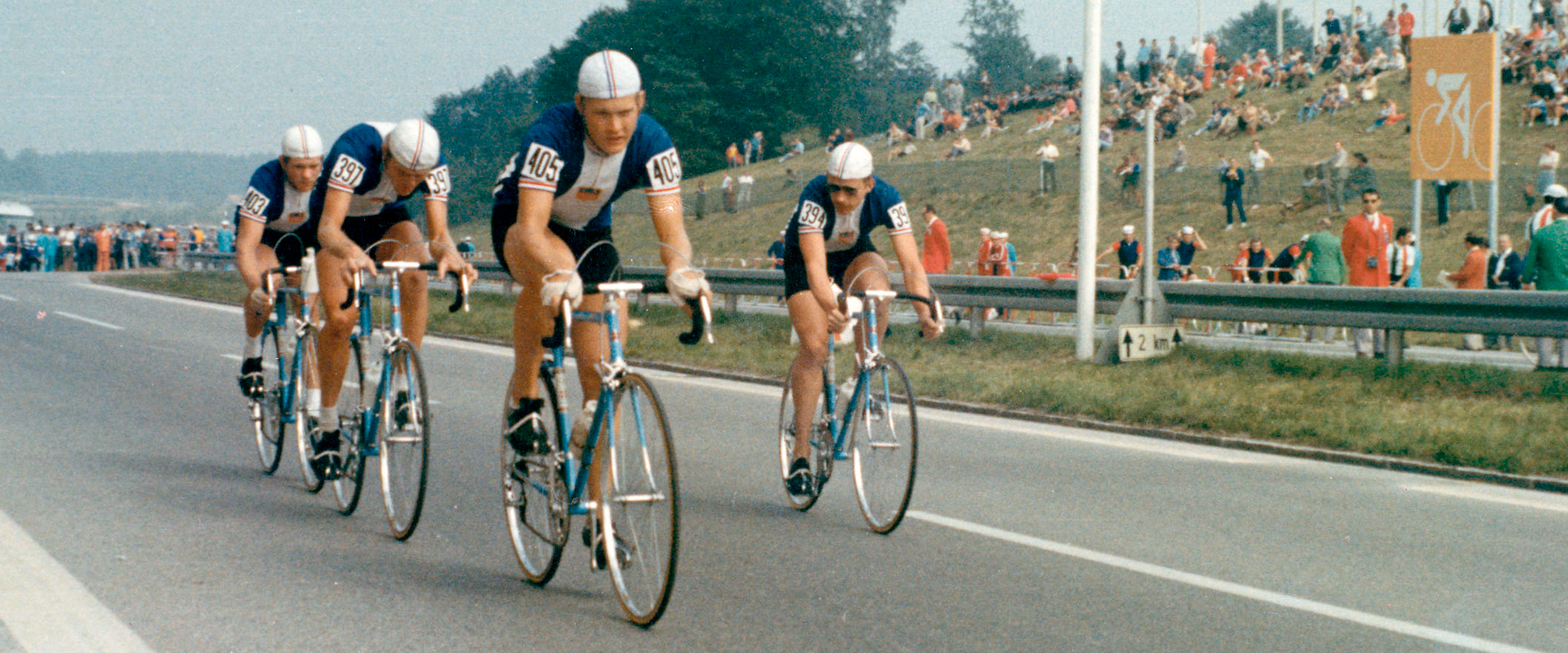
Cycling has been part of every modern Olympic Games since the inaugural 1896 Athens Games, featuring road and track events. Over the decades, the program expanded to include women’s road cycling in 1984, women’s track cycling in 1988, professional riders were allowed to compete for the first time in 1996, and new off-road disciplines like mountain biking and BMX.

Mountain biking’s growing popularity in the 1970s led to its Olympic debut two decades later. BMX racing, which began on the dirt tracks of Southern California, followed with its debut at the 2008 Olympics, with BMX freestyle completing the lineup at the 2020 Olympics in Tokyo.

Key Milstones

  • 1896 (Athens): Cycling debuts with road and track events.
  • 1984 (Los Angeles): Women’s road cycling makes its Olympic debut.
  • 1988 (Seoul): Women’s track cycling makes its Olympic debut.
  • 1996 (Atlanta): Mountain bike racing joins the Olympics.
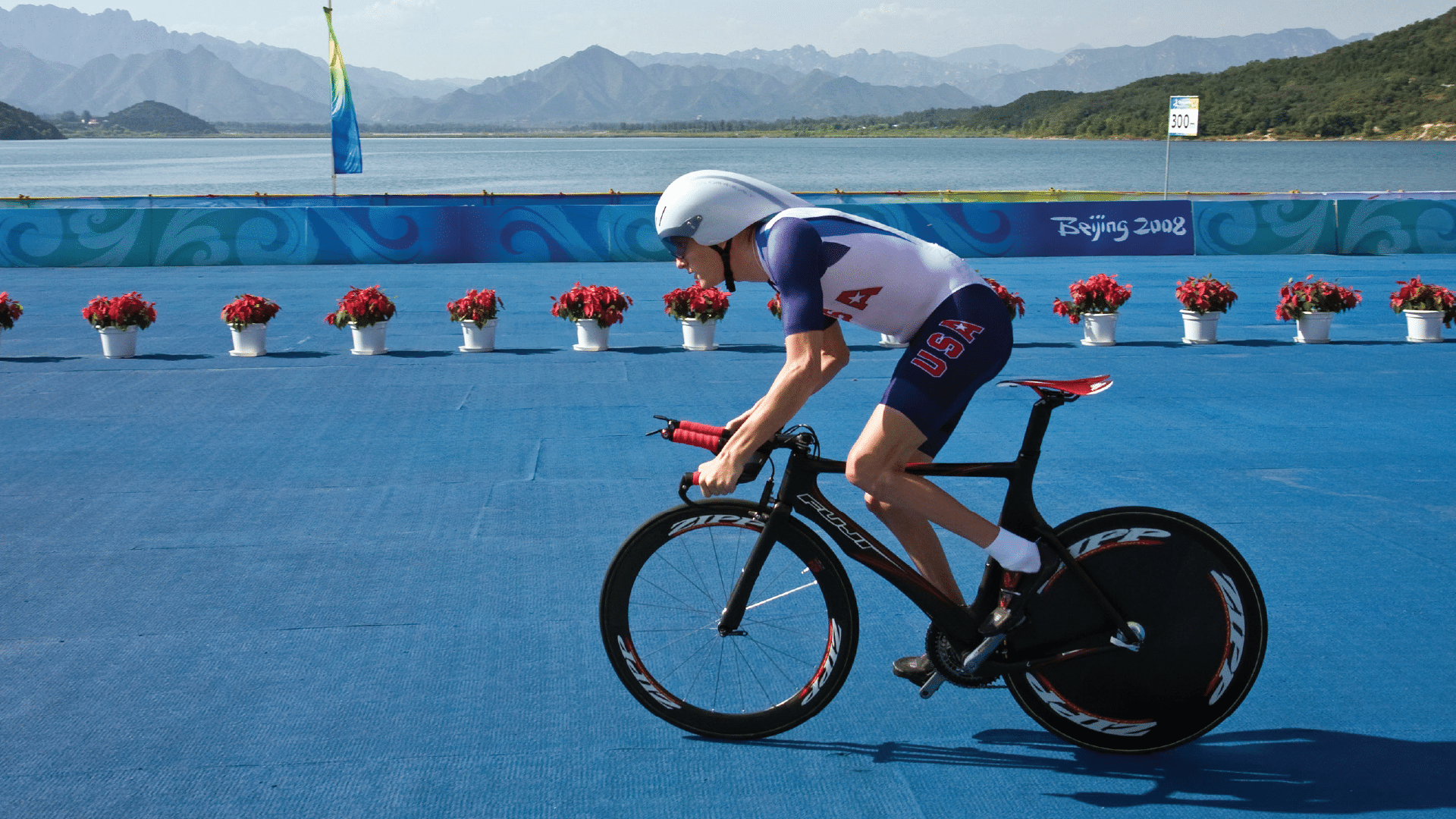
  • 2008 (Beijing): BMX racing makes its Olympic debut.
  • 2020 (Tokyo): BMX freestyle park is added at the Tokyo Games.

5 Olympic Cycling Disciplines

Olympic cycling features road cycling, track cycling, mountain biking, BMX racing, and BMX freestyle. Each event tests a unique set of skills, from high-speed sprints to cross-country races.

Road Cycling

One of the oldest modern Olympic sports, road cycling is a long-distance, endurance race on paved public roads.

Track Cycling

High-speed velodrome racing across sprint and endurance formats. 

Mountain Biking

Rugged, off-road cross-country races over steep hills, rocks, and rough terrain.

BMX Racing

Short, high-speed sprint races where eight riders battle head-to-head down a dirt track filled with jumps and tight turns.

BMX Freestyle

The only judged cycling discipline featuring park competition, judged tricks, and 60-second runs.

The Legacy of Team USA in Olympic Cycling

Marcus Hurley cemented an early chapter in America’s Olympic cycling legacy at the St. Louis 1904 Olympic Games, winning four of the seven cycling events contested as American riders swept the medals.

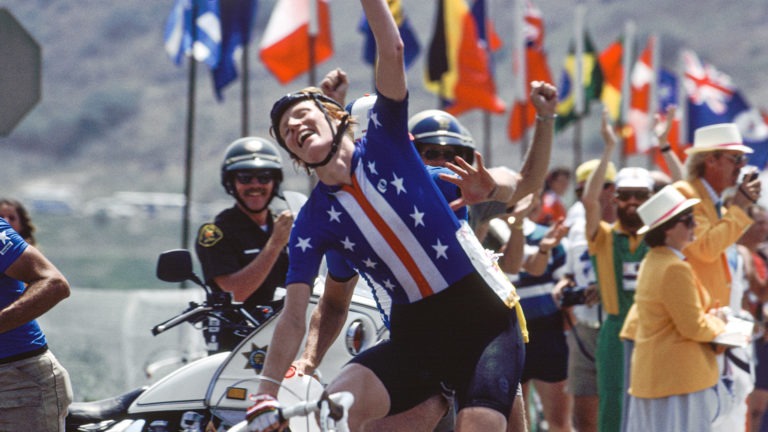
Eight decades later, Connie Carpenter Phinney pioneered women’s Olympic cycling with gold in the sport’s first-ever women’s road race at the Los Angeles 1984 Olympic Games, the same Games where Alexi Grewal’s dramatic sprint finish delivered gold in the men’s road race.

Kristin Armstrong added to the legacy with gold in the women’s time trial at the Beijing 2008 and London 2012 Olympic Games, then returned four years later at the Rio 2016 Olympic Games, where she captured her third consecutive title.

On the track, Marty Nothstein, known as “The Blade,” became the first American cyclist in 16 years to win an Olympic gold medal at the 2000 Sydney Games, taking first place in the men’s track cycling sprint event.

Fun Facts on Olympic Cycling

  • Cycling was one of the original sports in the first modern Olympic Games in 1896.
  • Elite track cyclists can reach top speeds of up to nearly 50 mph inside a wooden velodrome, making it one of the fastest human-powered sports on earth.
  • Velodromes used in track cycling feature steeply banked curves that allow riders to maintain high speeds through tight turns.

What is Para Cycling?

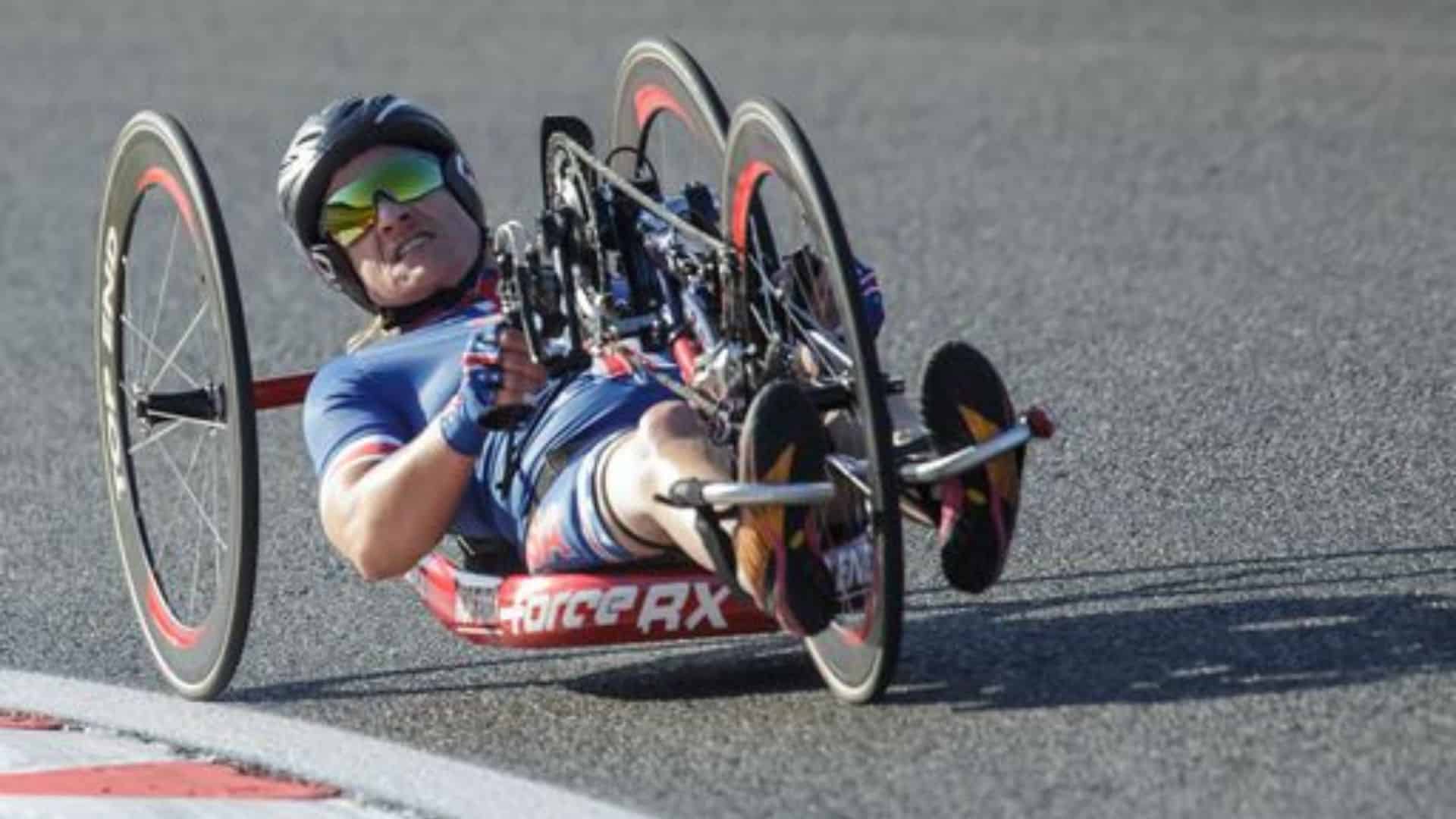
Para cycling is a modified version of cycling for athletes with physical or visual impairments who compete using specialized equipment. Depending on their classification, riders compete on modified road bikes, handcycles, tricycles, or tandem bikes paired with a sighted pilot.

Para Cycling in the Paralympics

Paralympic Cycling

Para cycling was introduced to the Paralympic Games in 1984, initially for athletes with cerebral palsy competing in road events. Since then, the classification system has grown to include athletes with visual impairments, lower-body paralysis, and locomotor impairments who ride handcycles, tricycles, tandem bikes, or standard bicycles depending on ability.

Key Milestones

  • 1984 (New York/Stoke Mandeville): Para cycling debuts with road events open to athletes with cerebral palsy.
  • 1988 (Seoul): Blind and visually impaired athletes competed on the global stage for the first time using tandem bicycles paired with a sighted guide (called a “pilot”).
  • 1992 (Barcelona): The program expanded to include more classes of impairment.
  • 1996 (Atlanta): Track cycling events were added to the program.
  • 2004 (Athens): Handcycling was officially added to the program as a medal event for athletes with lower-body impairments.

Paralympic Cycling Disciplines

There are two disciplines featured at the Paralympic Games: road and track.

Para Road Cycling

Riders compete in individual road races and time trials, using customized equipment, such as tandems, handcycles, tricycles, and standard bicycles matched to their classification.

Para Track Cycling

Athletes compete in high-speed events held on an indoor velodrome that was added to the Paralympic program at the Atlanta 1996 Paralympics.

The Legacy of Team USA in Para Cycling

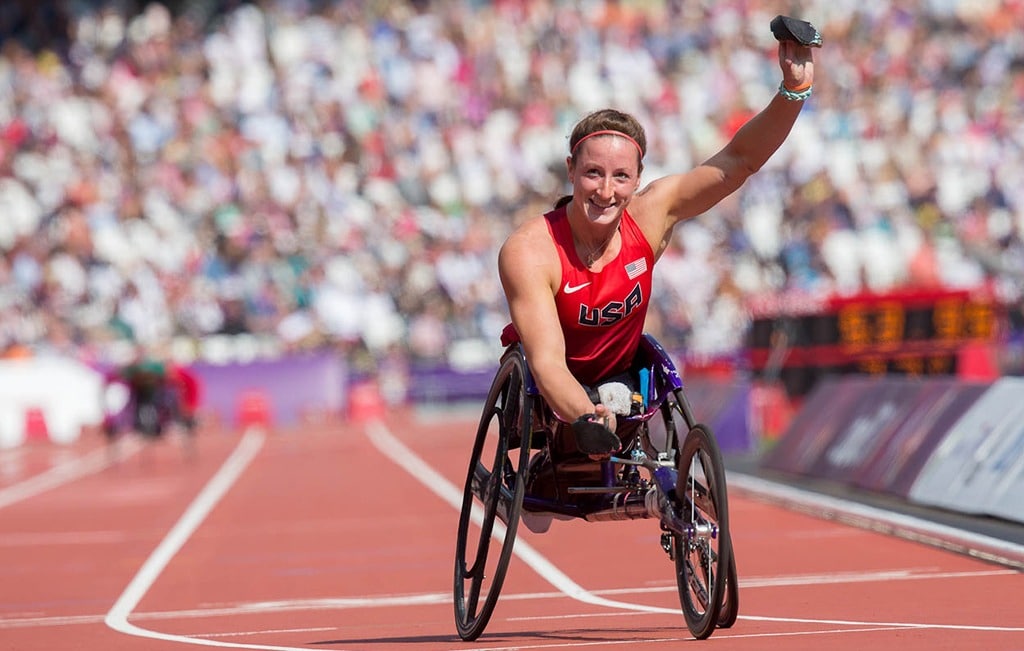
Muffy Davis | Paralympic Cycling London 2012

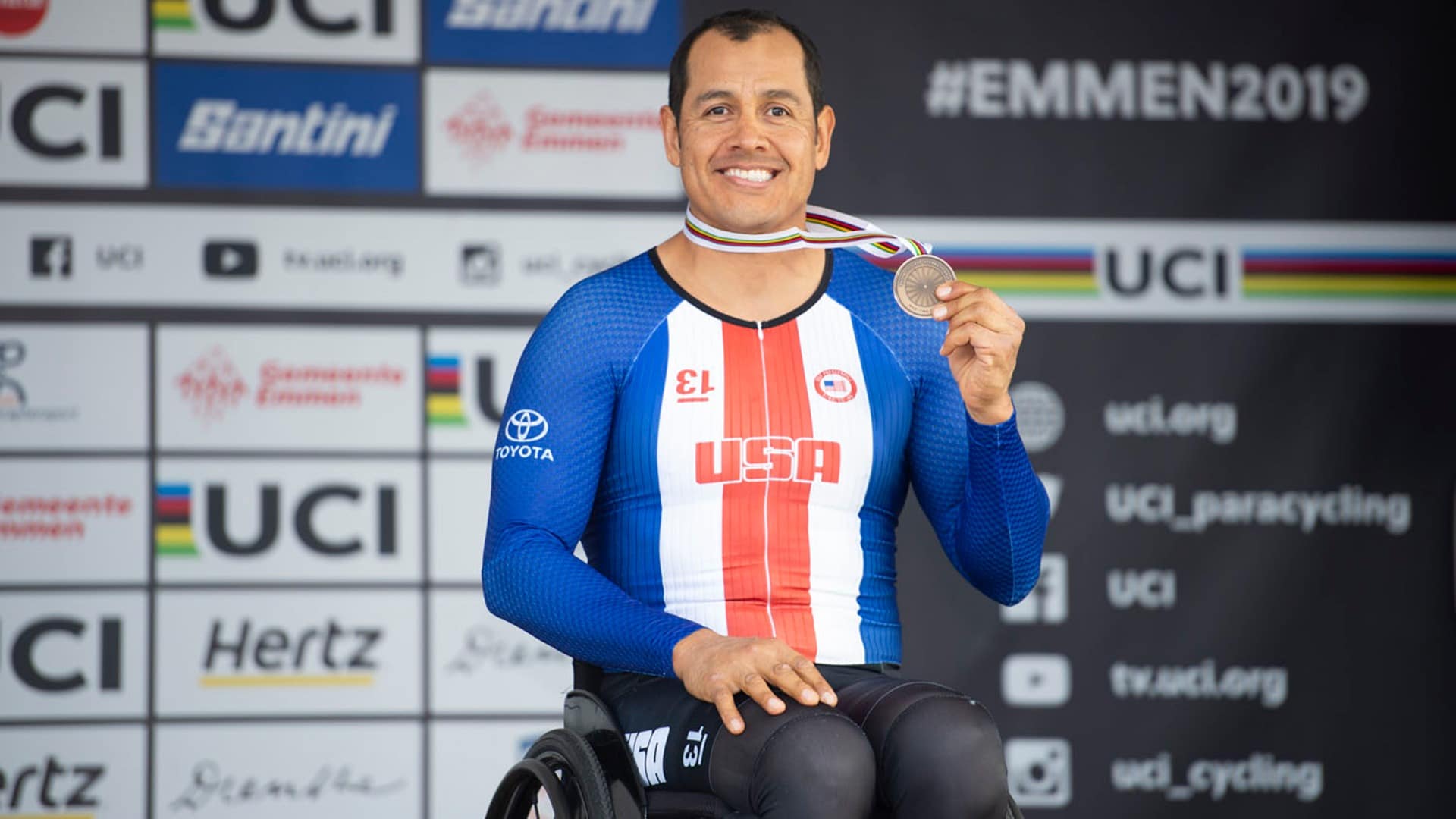
U.S. Paralympic cyclists have made history with their performances, consistently earning medals and raising awareness for adaptive sports. Muffy Davis competed in both Para alpine skiing and Para cycling, winning seven Paralympic medals, three of them gold.

Shawn Morelli, a former U.S. Army engineer injured in Afghanistan, became one of Team USA’s most dominant Para cyclists, and Oksana Masters added Para cycling to a medal-winning career that also spans para skiing and para rowing.

Allison Jones competed across eight consecutive Paralympic Games in cycling and alpine skiing, while Will Groulx, a former wheelchair rugby player, rose quickly to the Para cycling podium across back-to-back Games.

Fun Facts on Paralympic Cycling

  • Paralympic cycling was first introduced in 1984 with road events; track events followed in 1996.
  • Blind and visually impaired cyclists race on tandem bikes with a sighted pilot at the front.
  • Handcyclists are powered entirely by the upper body and race in two primary riding body positions: reclined or kneeling.
Summer Games Gallery at the U.S. Olympic & Paralympic Museum

Summer Games Gallery

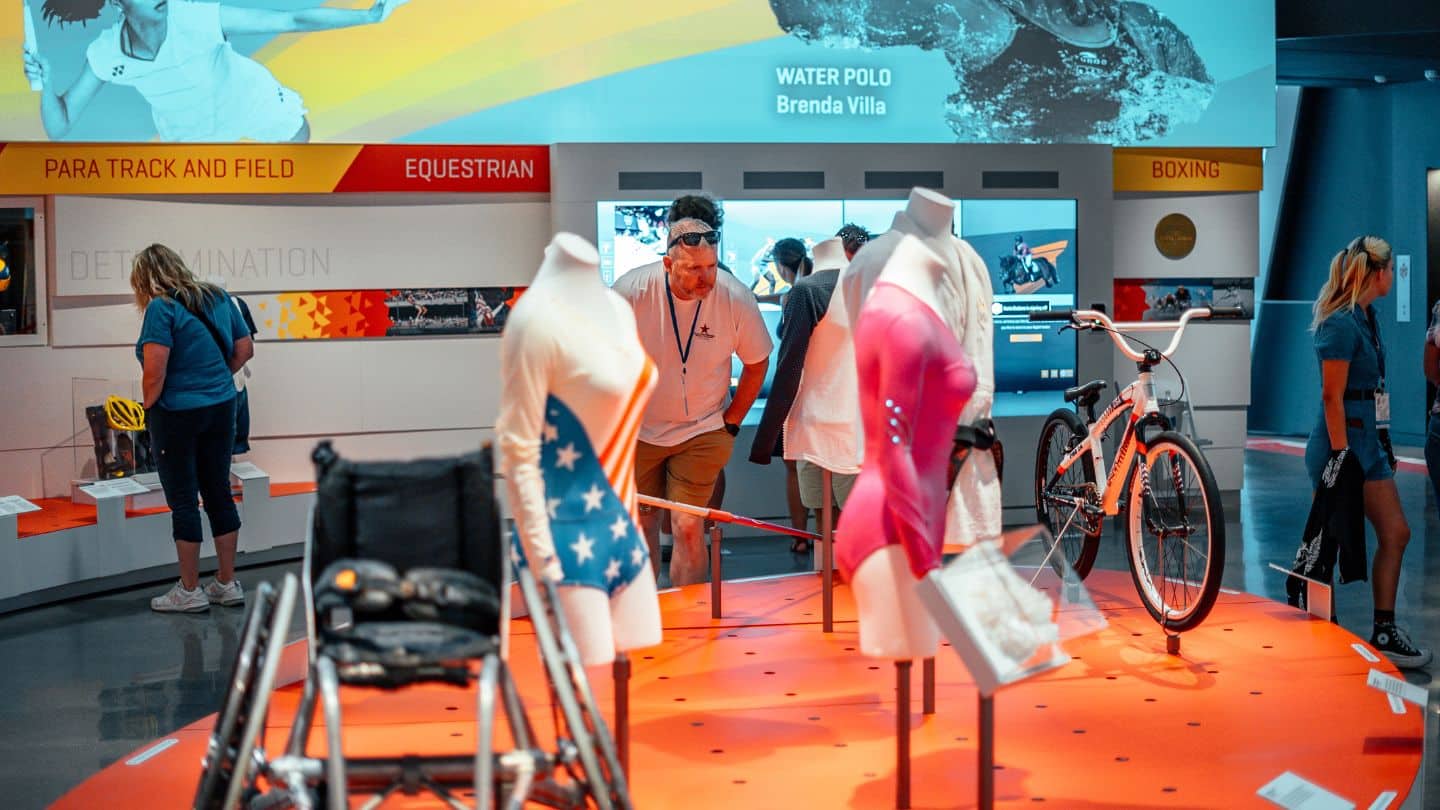
Discover stories of summer sports and explore historically significant artifacts, like Olympic road bikes, used by legendary Team USA athletes.

Celebrate Olympic Cycling & Paralympic Para Cycling at the U.S. Olympic & Paralympic Museum

The U.S. Olympic & Paralympic Museum celebrates Team USA’s Olympic cycling and Para cycling athletes who competed with strength, strategy, and speed across both the Olympic and Paralympic Games.

Discover artifacts from legendary Team USA cyclists, hear a personal conversation between Connie Carpenter-Phinney and Davis Phinney on life as Team USA’s first family of cyclists, or watch Team USA athletes receive their gold medals across many Olympic and Paralympic sports. For a closer look at the sport’s fastest discipline, dive into Team USA’s full Track Cycling and Para Track Cycling legacy.

Plan your visit to Colorado Springs’ top sports attraction and immerse yourself in awe-inspiring exhibits, Team USA stories, and Olympic & Paralympic excellence.

FAQ: Olympic Cycling and Paralympic Para Cycling

Road cycling has been part of the Olympic program since cycling’s debut at the Athens 1896 Olympic Games, making it one of the original sports of the modern Olympics.

Olympic Cycling includes five disciplines: road, track, mountain biking, BMX racing, and BMX freestyle, with BMX freestyle scored by judges and the rest decided by time or finish order. Para Cycling is contested in road and track events, using adaptive equipment such as handcycles, tricycles, tandem bikes, or standard bicycles depending on classification.

Para cycling debuted at the 1984 Paralympic Games in New York/Stoke Mandeville, featuring road events for athletes with cerebral palsy.

The five Olympic cycling disciplines are road cycling, track cycling, mountain biking, BMX racing, and BMX freestyle.

Paralympic cycling features two disciplines: road, which includes individual road races and time trials, and track, which includes indoor races around a track called a velodrome.

Cycling & Para Cycling Hall of Famers

Carpenter Connie

Connie Carpenter-Phinney

After an ankle injury ended her speedskating career, Connie Carpenter-Phinney took up cycling and won a gold medal in the Olympic women’s cycling debut event at the Los Angeles 1984 Olympic Games.

Read More »
Muffy Davis | Paralympic Cycling London 2012

Muffy Davis

Muffy Davis competed in Paralympic alpine skiing and para cycling, winning a total of seven Paralympic medals, three of which are gold medals.
Read More »

Notable Moments in Olympic Cycling & Para Cycling

Explore Hall of Fame Athlete By Sport

Skip to content