



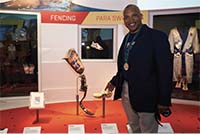

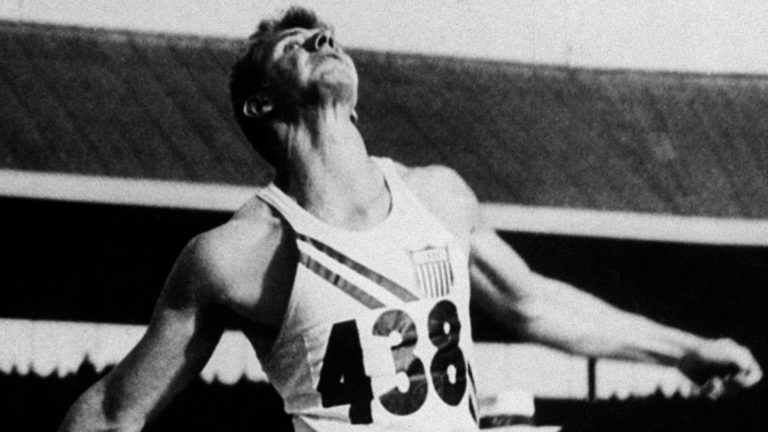
Al Oerter
Al Oerter overcame any obstacle in his path to win four consecutive Olympic gold medals in the discus, setting an Olympic record every time.

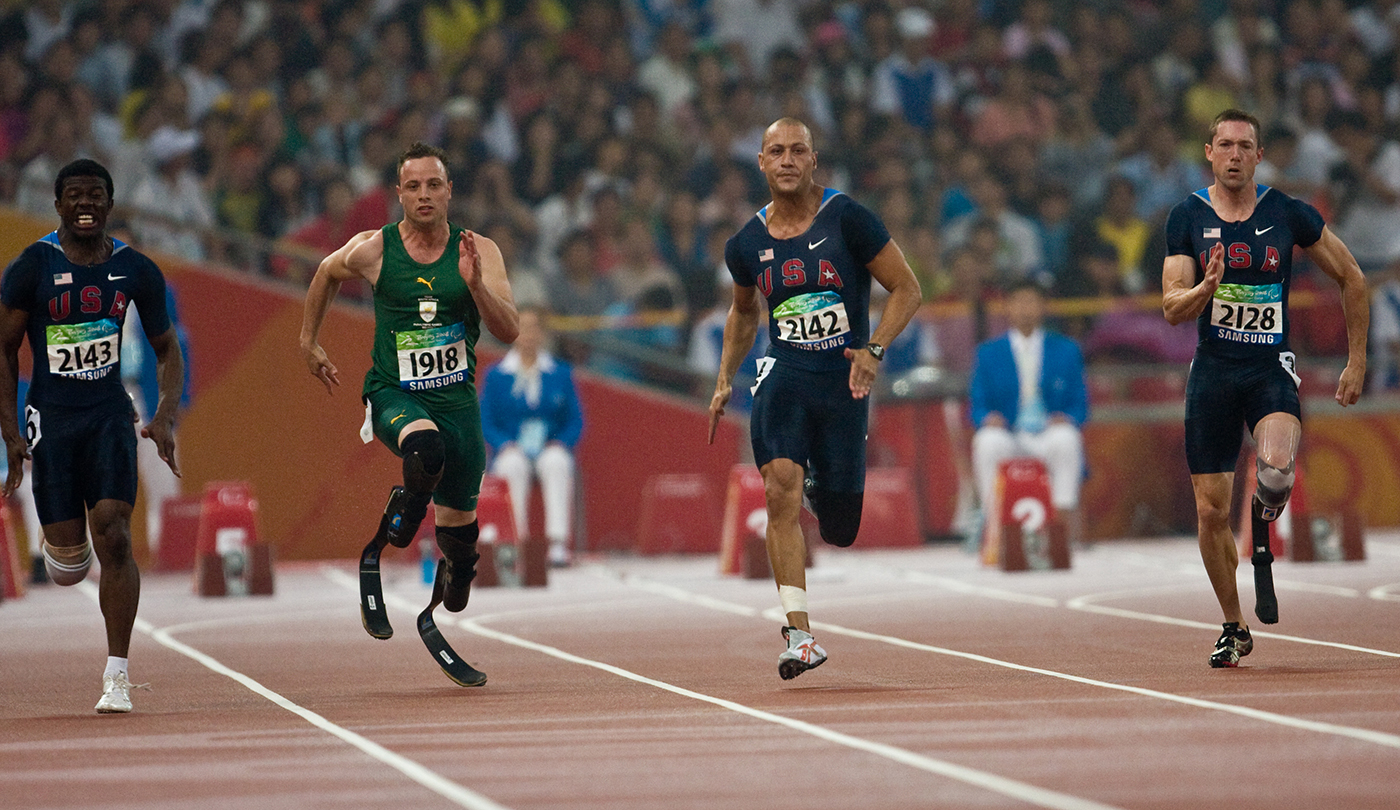
Al Oerter overcame any obstacle in his path to win four consecutive Olympic gold medals in the discus, setting an Olympic record every time.
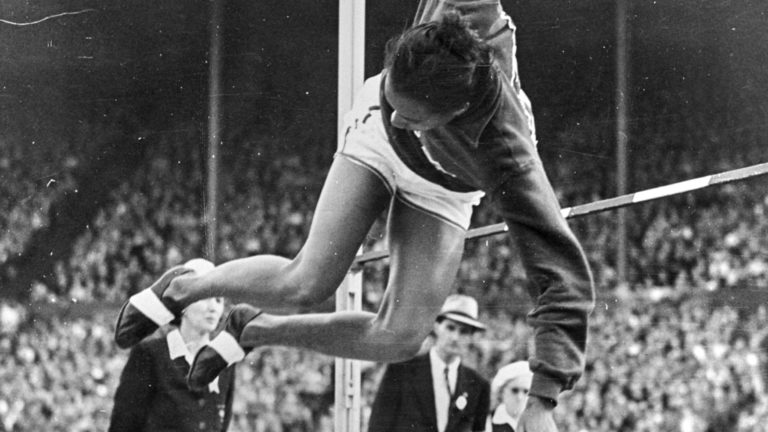
Alice Coachman first won a national title in 1939; in 1940 and 1944 The Olympics were canceled because of World War II. Coachman finally won gold in the high jump at the London 1948 Olympic Games.
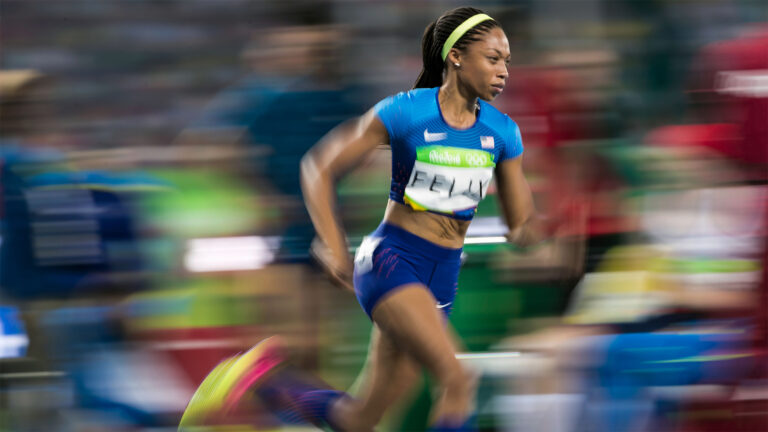
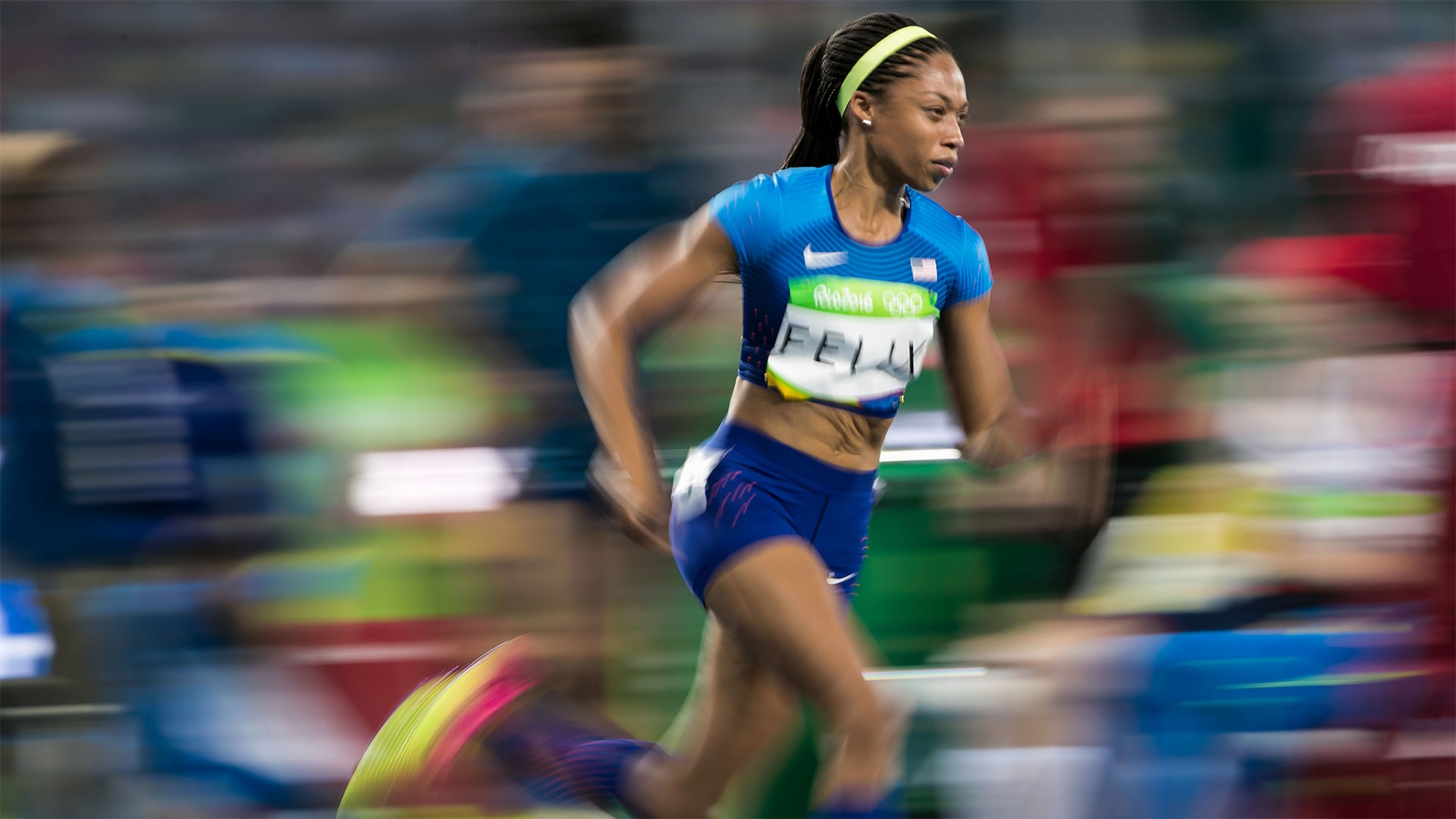
Across five Olympic Games—from Athens 2004 to Tokyo 2020—Allyson Felix won 11 Olympic medals, including seven gold, the most ever by a female track and field athlete.
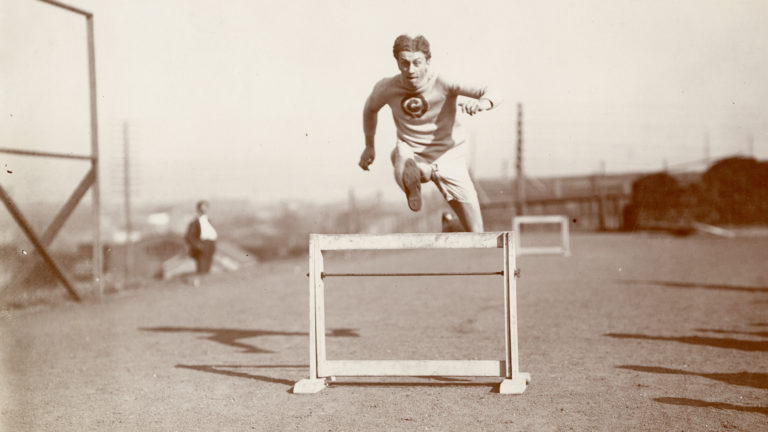
At the Paris 1900 Olympic Games, Alvin Kraenzlein’s technique helped him become the first to win four gold medals in individual events at a single Olympics.
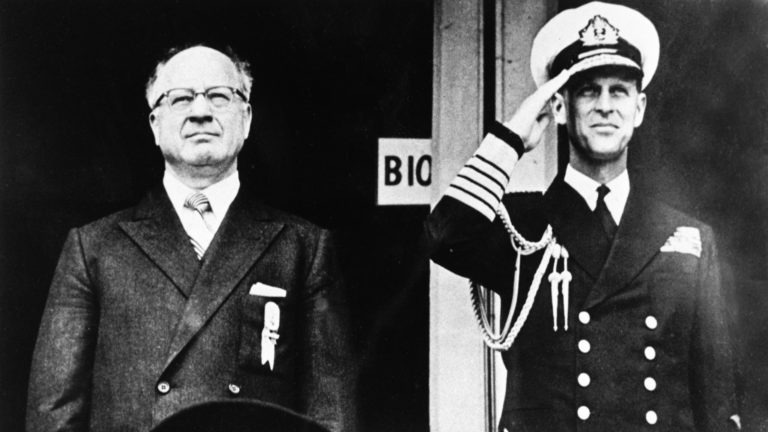
After an athletic career that included participating in the decathlon and pentathlon at the Stockholm 1912 Olympic Games, Avery Brundage started a business career. He later served as president of the American Olympic Association and then was president of the International Olympic Committee from 1952 to 1972.
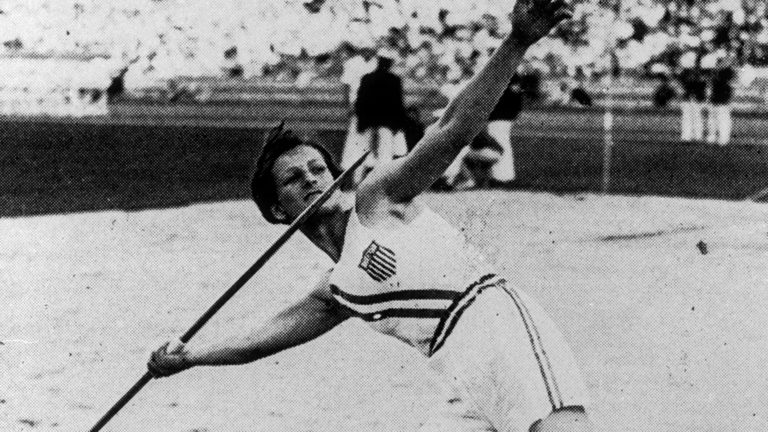
Babe Didrikson might have won more medals at the Los Angeles 1932 Olympic Games, but at the time women were only permitted to enter three individual events.
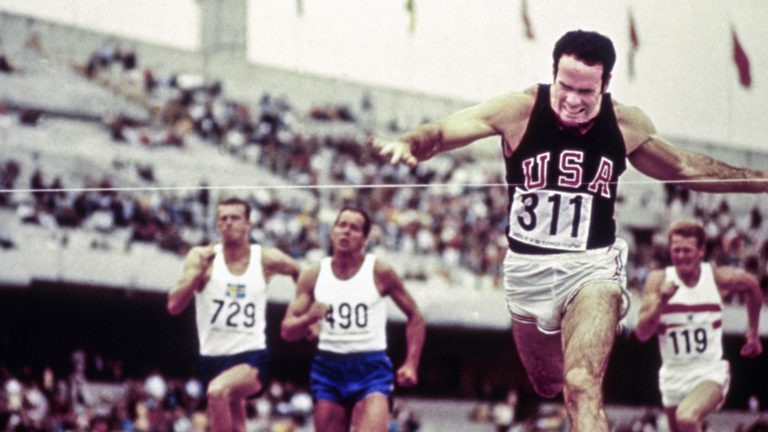
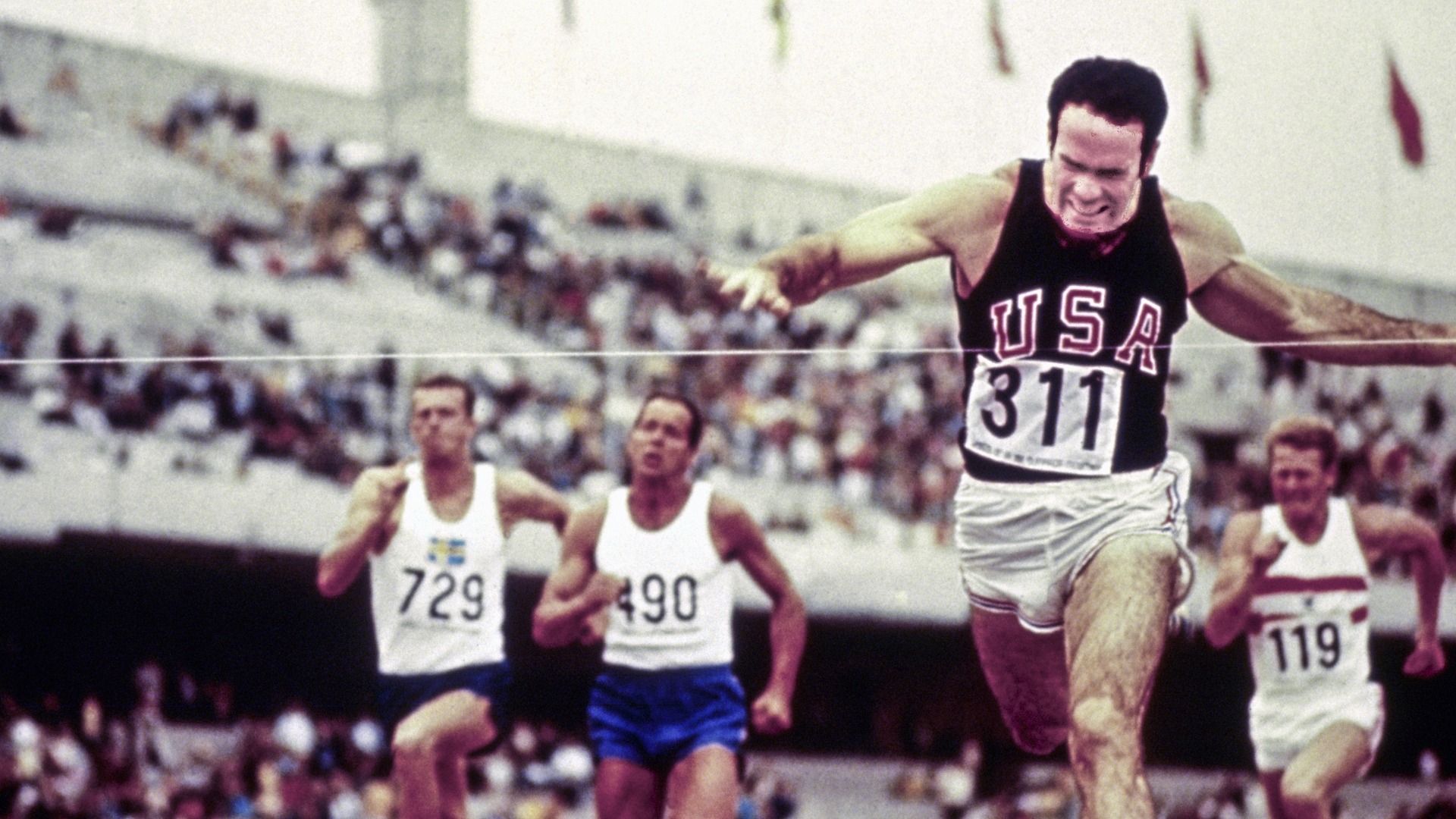
Despite a childhood injury that limited functionality in his right (throwing) hand, Bill Toomey set an Olympic record as he won a gold medal in the decathlon at the Mexico City 1968 Olympic Games.
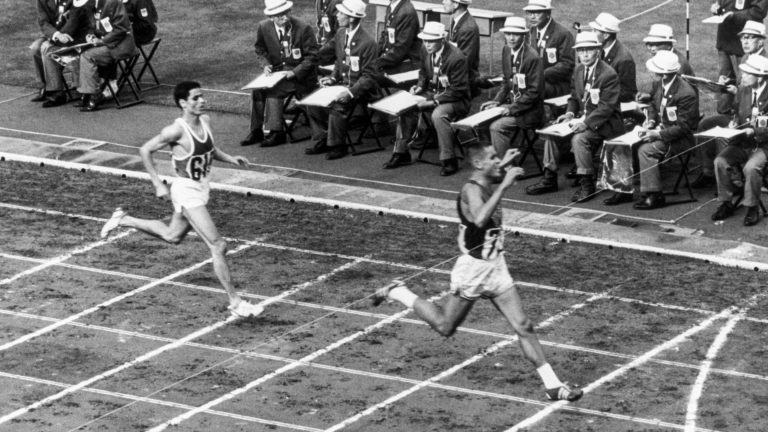
A Native American from tiny Pine Ridge, South Dakota, Billy Mills surged down the stretch to win the 10,000-meter run at the Tokyo 1964 Olympic Games, one of the biggest upsets in Olympic history.
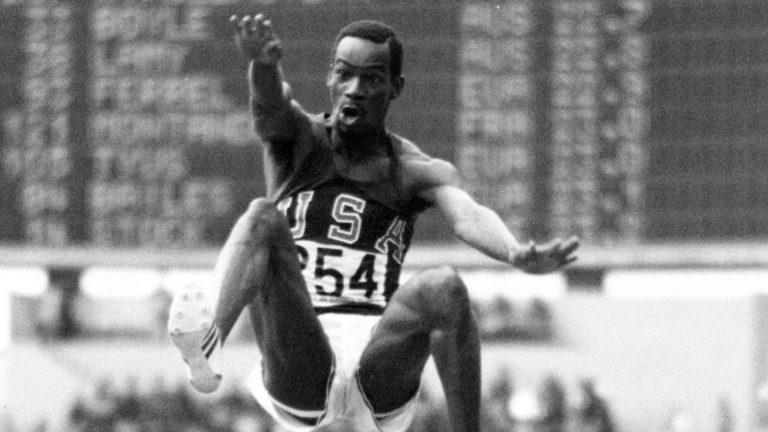
Bob Beamon broke the previous world record in the long jump by nearly two feet as he soared 29 feet 2 1/2 inches to win a gold medal at the Mexico City 1968 Olympic Games.
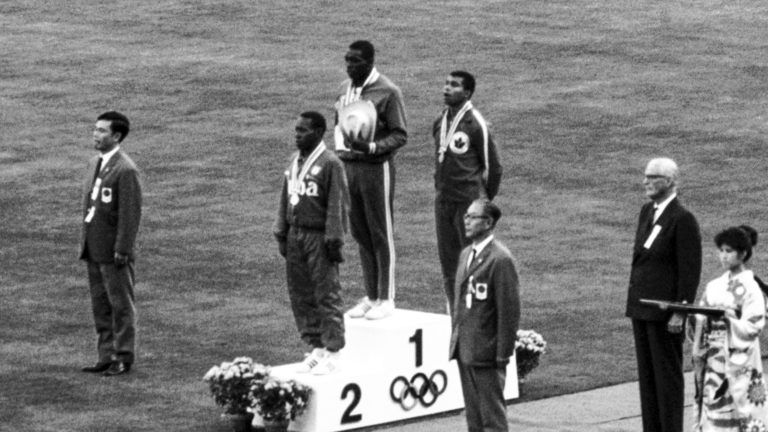
NFL Hall of Famer “Bullet” Bob Hayes won two gold medals at the Tokyo 1964 Olympic Games. and is the only person ever to win an Olympic gold medal and a Super Bowl ring.
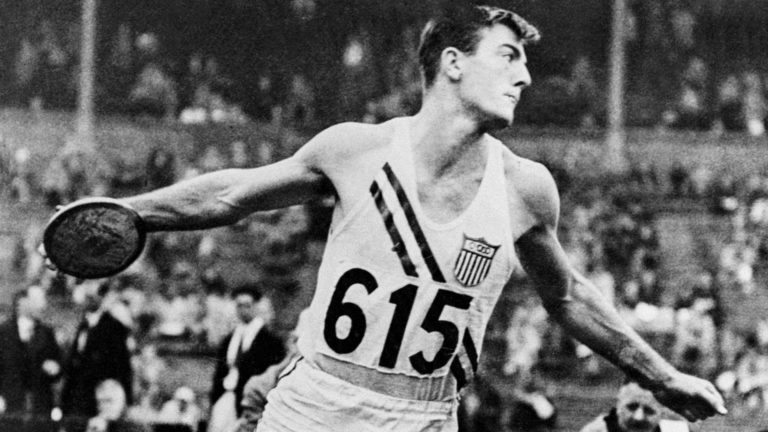
A superb athlete, Bob Mathias did not know what a decathlon was until his high school coach suggested trying it. A few months later, Mathias won the first of his two Olympic gold medals.
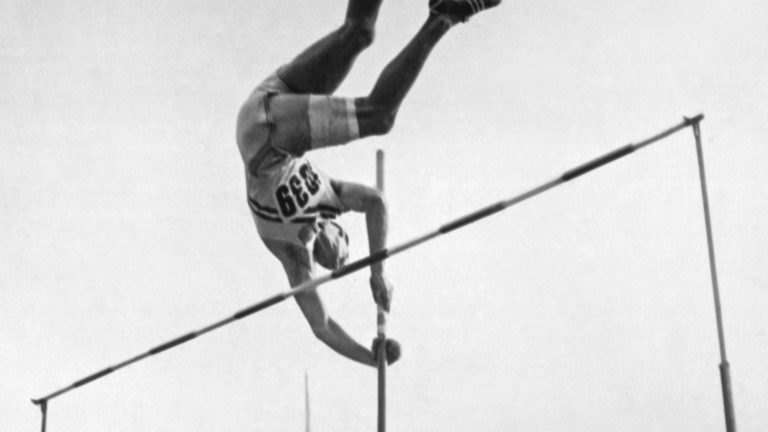
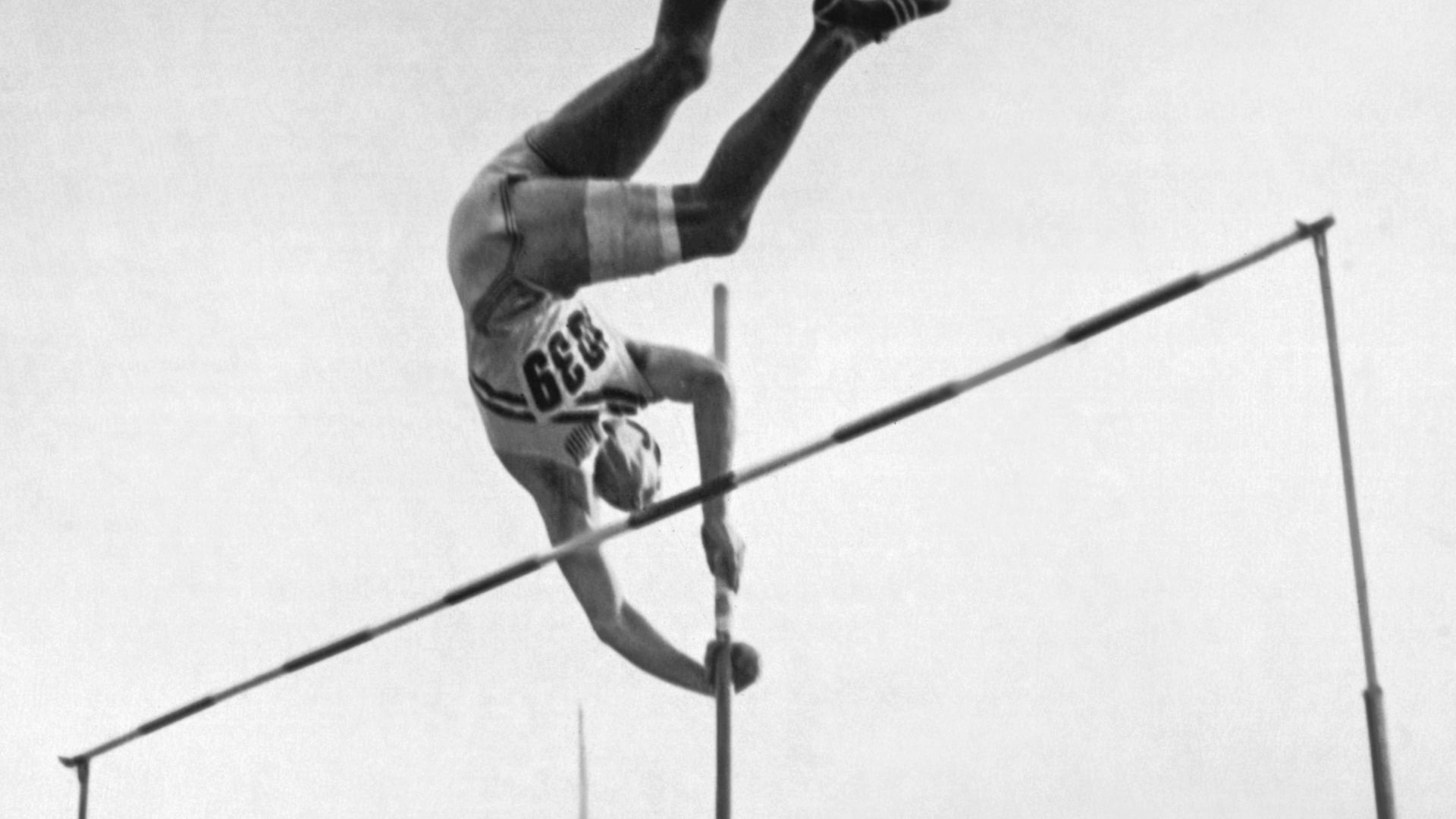
Bob Richards became the first man to win multiple Olympic gold medals in the pole vault. He was the first athlete pictured on the front of a Wheaties cereal box.
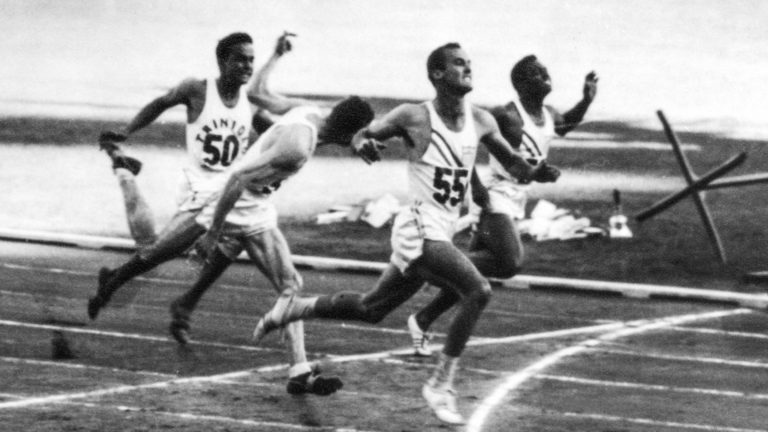
Bobby Joe Morrow won gold medals in the 100- and 200-meter dashes and the 4×100-meter relay at the Melbourne 1956 Olympic Games.
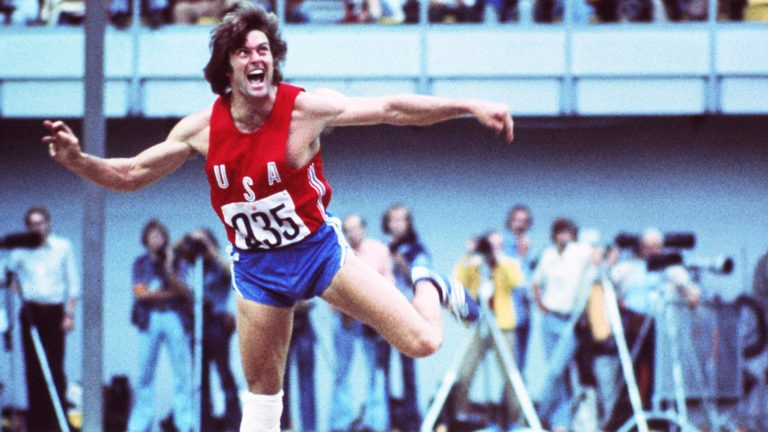
Caitlyn Jenner, formerly known as Bruce Jenner, won the gold medal and broke the world record in decathlon in the 1976 Montreal Olympic Games.

Discover Candace Cable, the first U.S. woman to medal at both the Summer and Winter Paralympics, who competed in three sports across nine Paralympic Games.
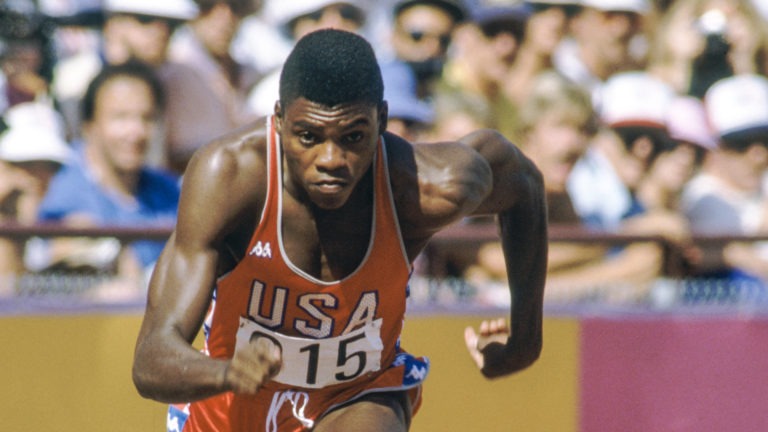
One of the world’s greatest athletes ever, Carl Lewis won nine Olympic gold medals, including four consecutive gold medals in the long jump.
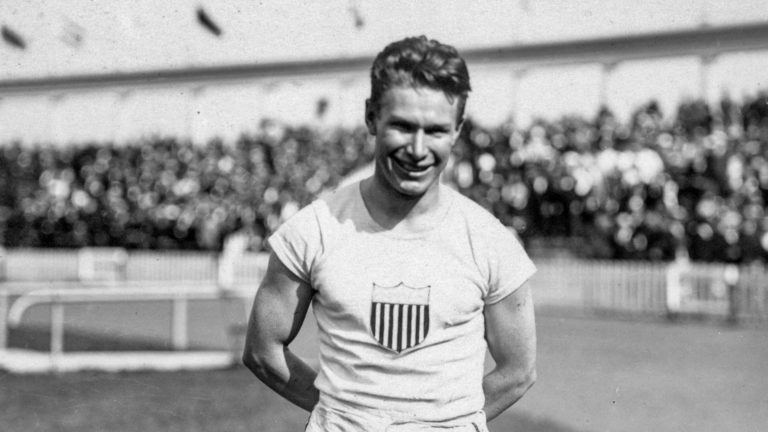
After serving in the U.S. Army in World War I, Charley Paddock participated in three Olympic Games, winning two gold medals and two silver. He died in a plane crash while serving in World War II.

Paralyzed from the waist down after a skiing accident, Chris Waddell went on to compete in seven Paralympic Games, winning 13 medals and becoming the most decorated male monoskier in U.S. history.
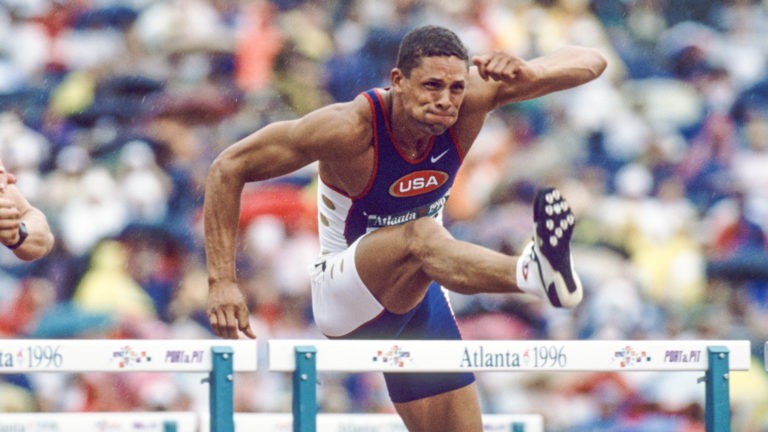
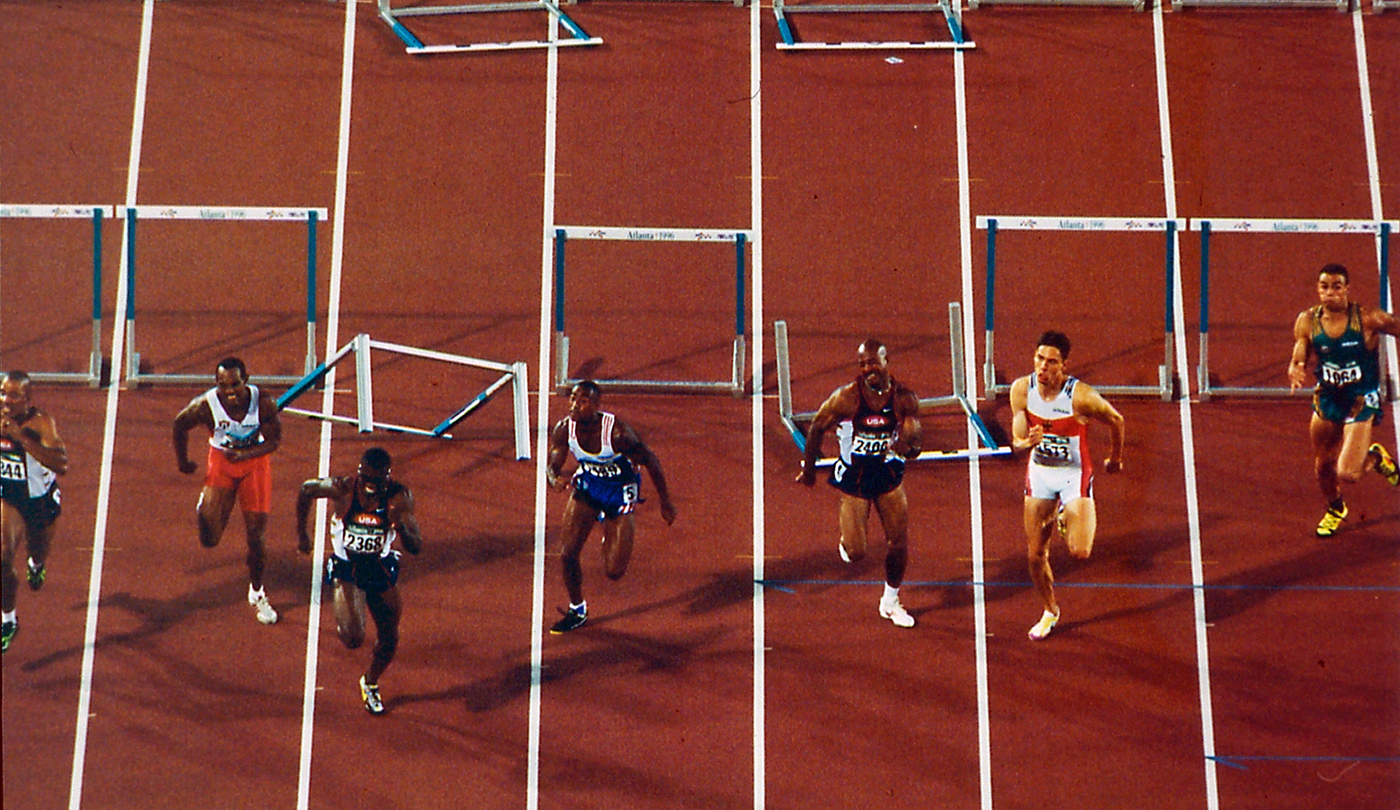
Having failed to qualify for the previous two Olympic Games, Dan O’Brien took full advantage of his opportunity by winning the gold medal in the decathlon at the Atlanta 1996 Olympic Games.
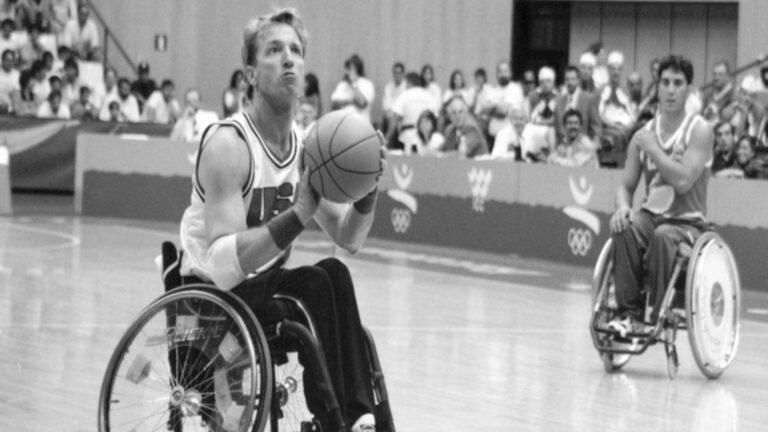
David Kiley competed at five Paralympic Games in wheelchair basketball, track and field, and alpine skiing. He won a total of 13 Paralympic medals.
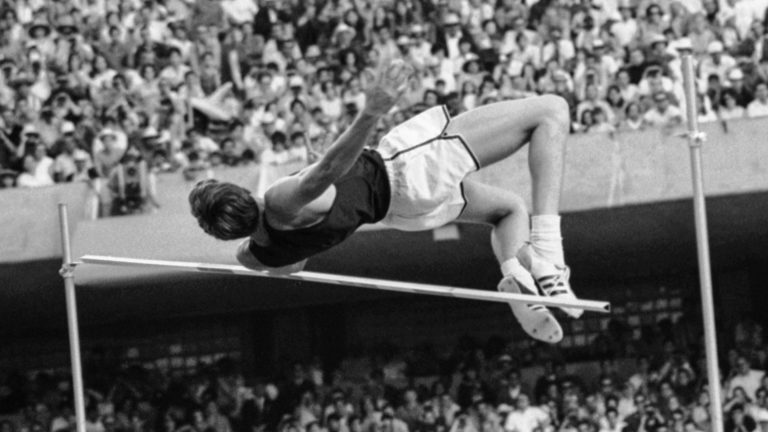
Dick Fosbury revolutionized the high jump. After Fosbury set an Olympic record and won gold at the Mexico City 1968 Olympic Games, the “Fosbury Flop” became a staple of every high jumper.
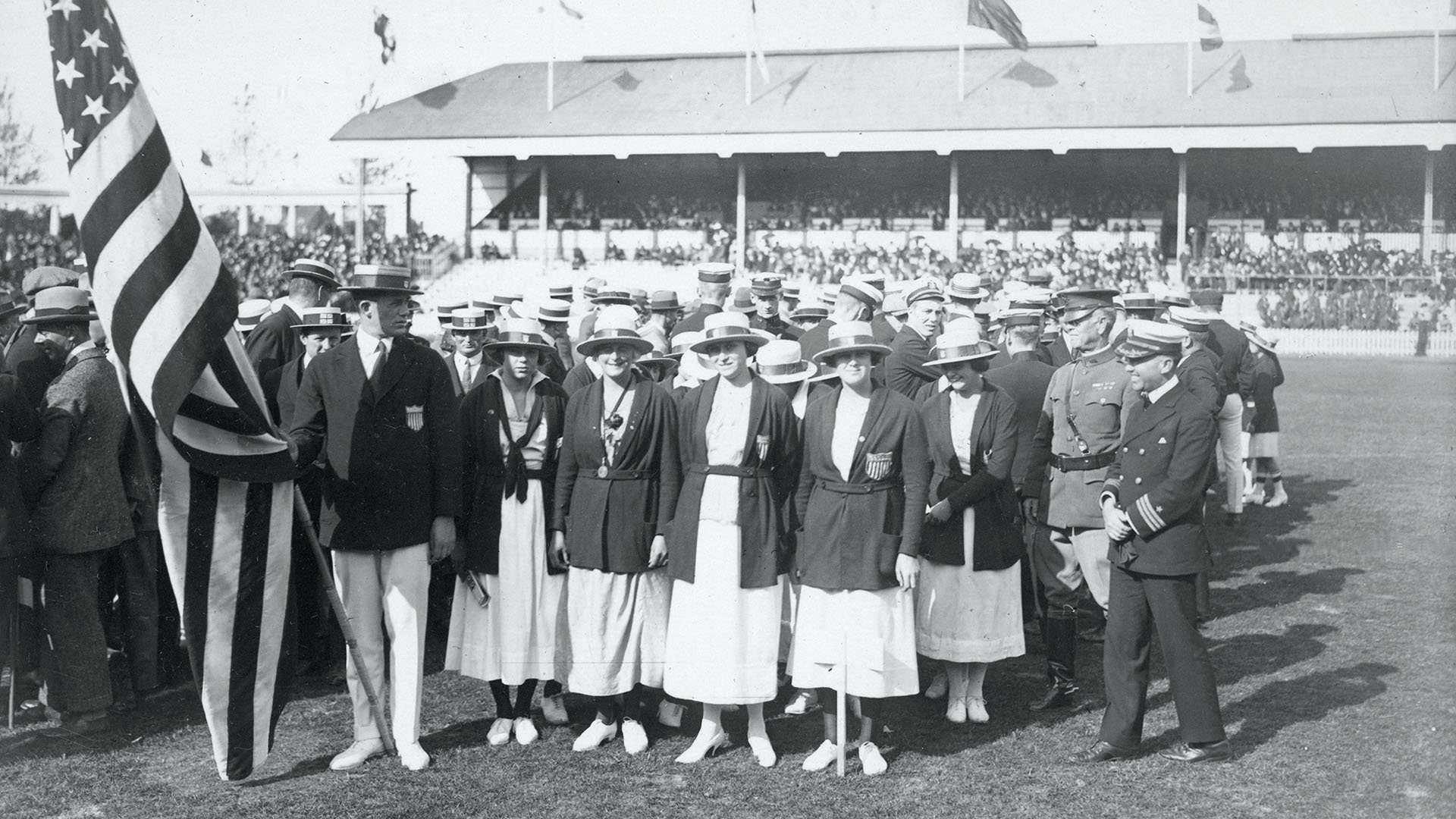
The main track and field events are track events, field events, road events, and combined events.
There are 48 track and field events in the Summer Olympics (24 for men and 24 for women).
A false start in Olympic track and field is when a sprinter leaves the starting blocks before the gun fires, or initiates movement in less than 0.1 seconds after the gun fires. Any athlete responsible for a false start is immediately disqualified from the race.
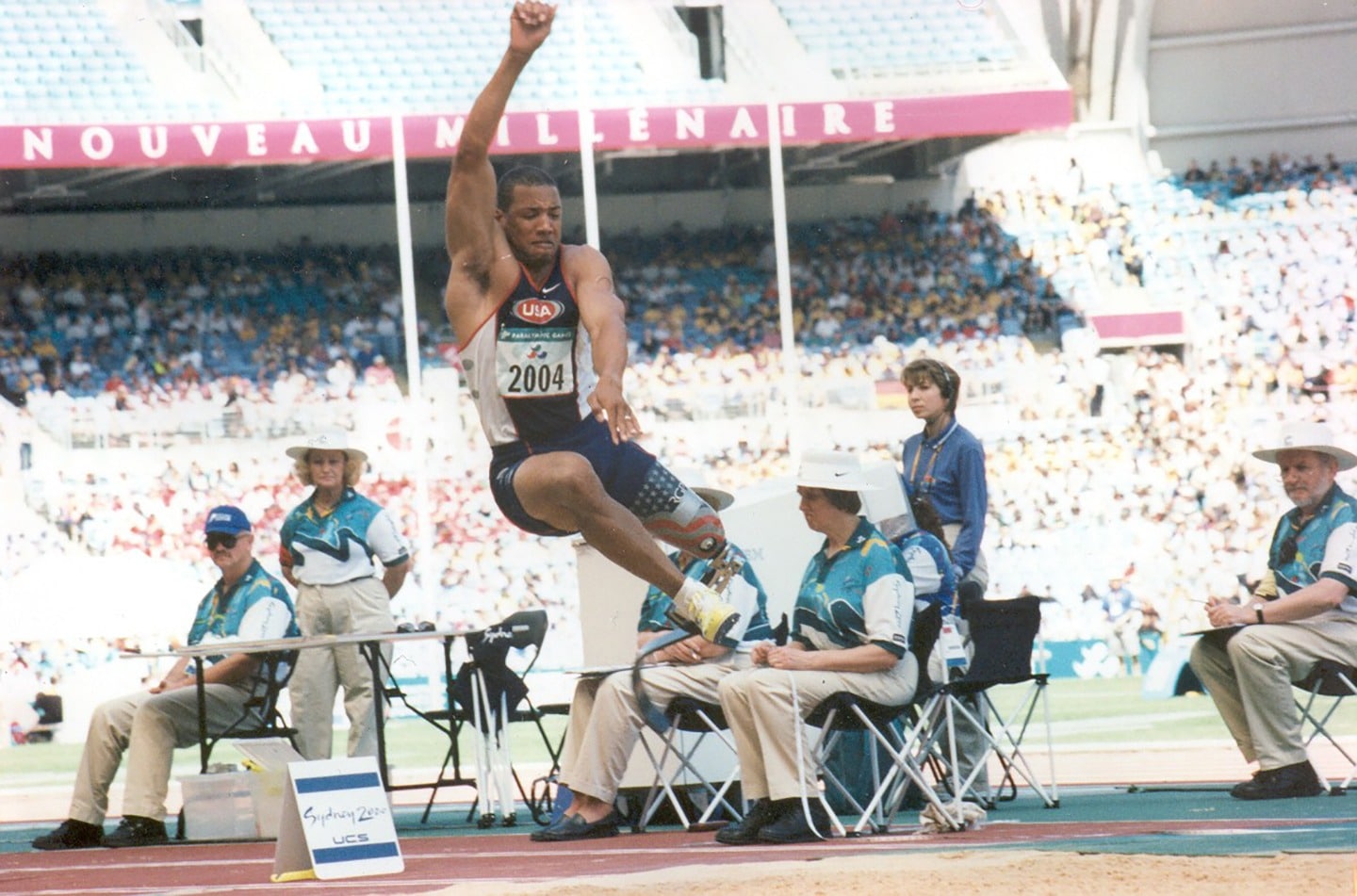
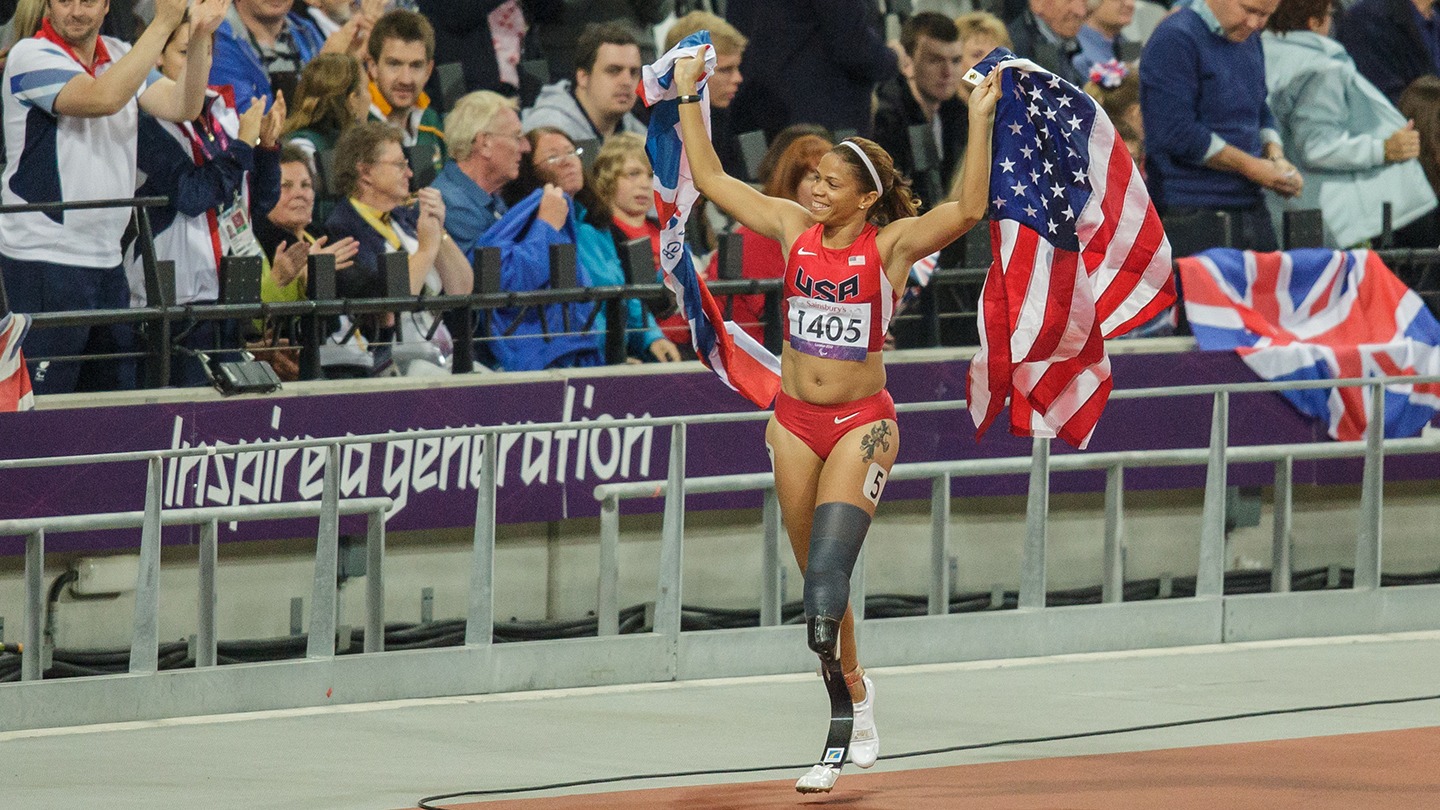
Paralympic track and field athletes may use specialized equipment such as running blades, racing wheelchairs, throwing frames, prosthetics, and visual aids like sighted guides, rope tethers, and acoustic devices.
Paralympic track and field classifications group athletes by impairment type, including visual, intellectual, and physical impairments such as limb deficiency, cerebral palsy, prosthetics, or wheelchair use.