

SPORTS

Biathlon and Para Biathlon at the Olympic & Paralympic Winter Games

Share

BIATHLON & PARA BIATHLON

Biathlon and para biathlon are sports featured at the Winter Olympic and Paralympic Games, combining cross-country skiing with rifle shooting. While they both combine the same events, they differ in the equipment and techniques used.

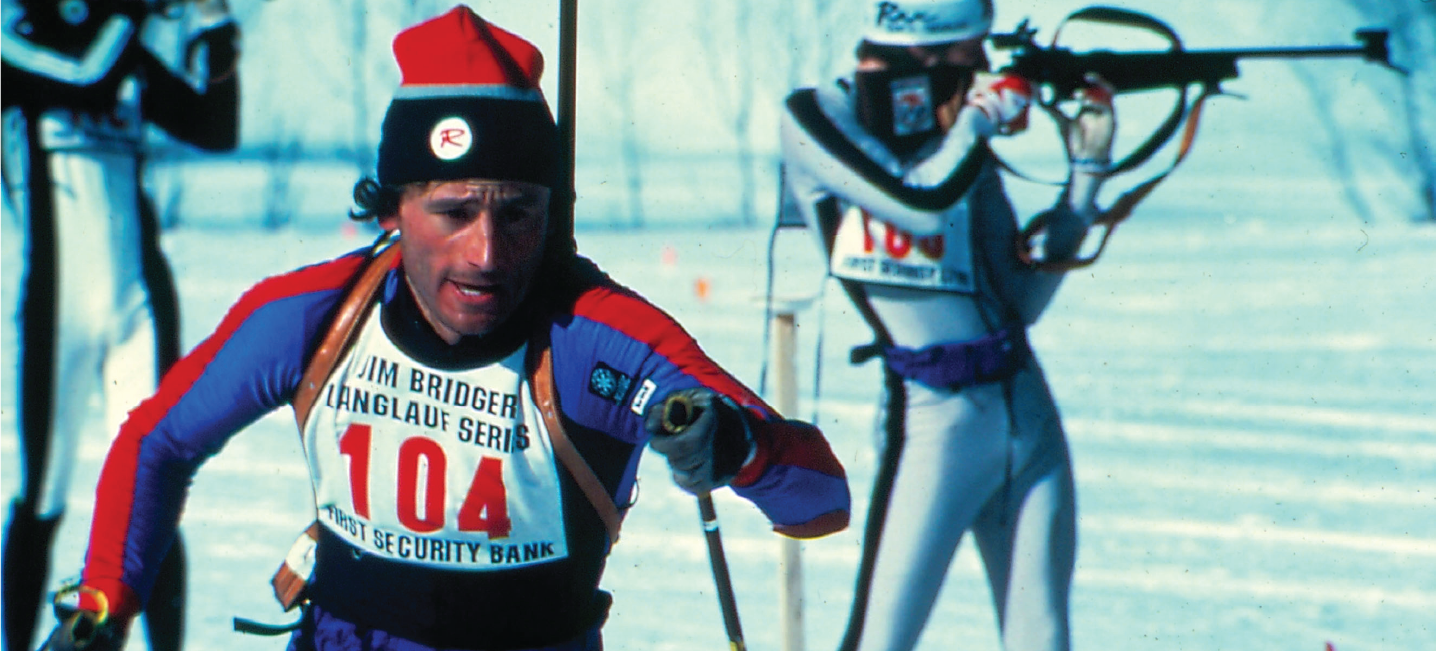
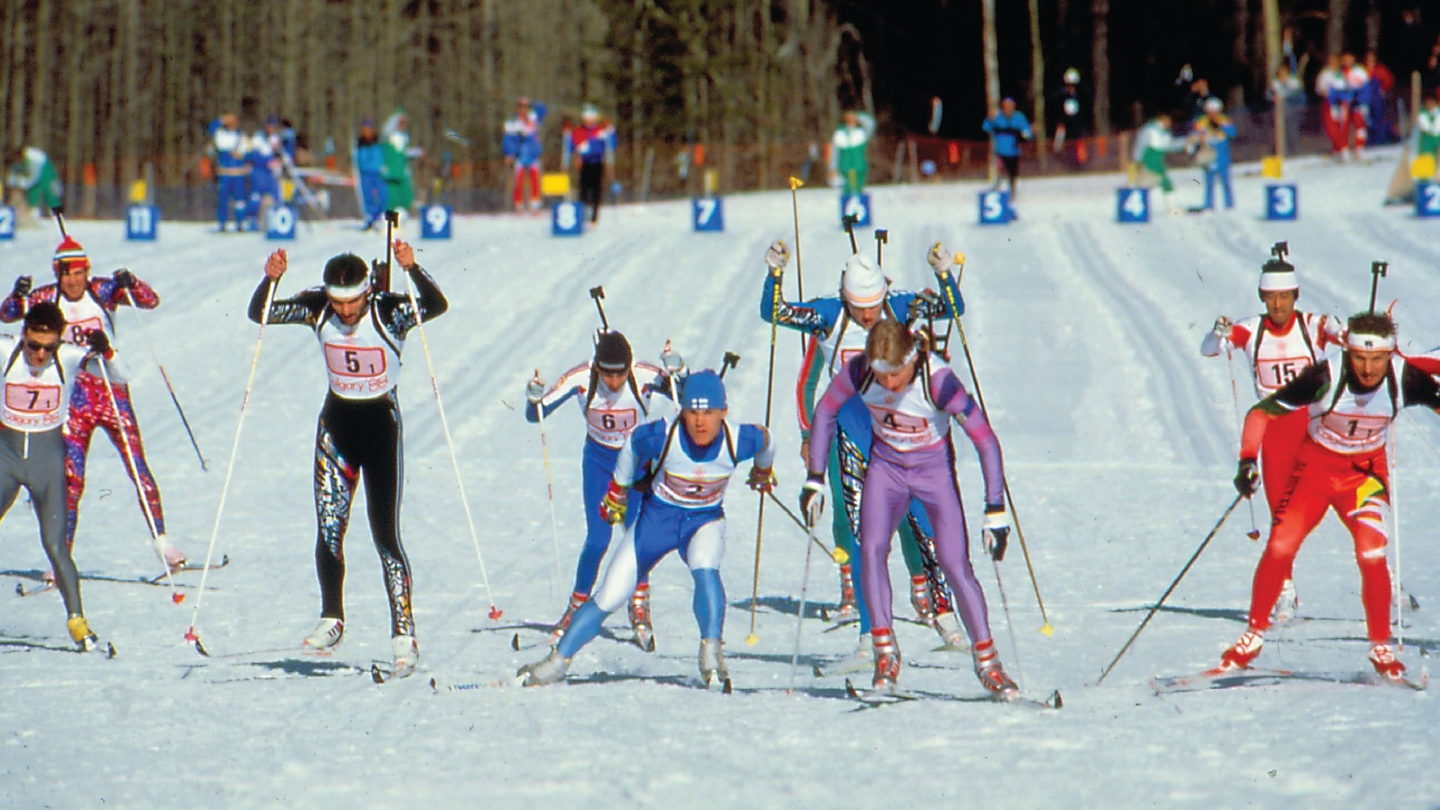
Biathlon combines cross-country skiing and rifle shooting: biathletes race on skis, then stop at shooting ranges to test their accuracy on targets. Missed target shots result in time penalties or additional skiing distance, demanding endurance, precision, and strategy from biathletes. The winner is the biathlete who finishes the competition in the fastest time.

Differences Between Biathlon & Para Biathlon Competitions

  • Shooting position: Olympic biathletes go between standing and prone positions while shooting, and para biathletes shoot only in a seated or prone position.
  • Shooting rifle: Olympic biathletes use a .22 caliber small-bore rifle, while para biathletes use an air or laser rifle.
  • Shooting distance: shooting targets are 50 meters away for biathletes and 10 meters away for para biathletes.
  • Rifle carrying: Olympic biathletes carry their rifles on their backs while cross-country skiing, while para biathletes do not.

Biathlon in the Olympics

Biathlon in the Olympics | USOPM

Biathlon made its Olympic debut at the 1960 Winter Games in Squaw Valley, California, featuring only the men’s 20-kilometer single event. Women’s biathlon events were introduced at the Albertville 1992 Olympic Winter Games.

Biathlon Disciplines

Olympic biathlon includes multiple disciplines, with each showcasing a different set of skills. These events include:

  • Individual: the longest and oldest event for both men and women, biathletes ski five laps (20km total for men, 15km total for women) with four shooting rounds in between laps (prone-standing-prone-standing).
  • Sprint: biathletes ski three laps (10 km total for men, 7.5 km total for women) with two shooting rounds in between laps (prone and standing).
  • Pursuit: a race between the top-60 biathletes from the previous sprint event (12.5km total for men, 10km total for women) start sequentially based on their sprint finish times, with four shooting rounds (prone-prone-standing-standing).
  • Mass Start: the top-30 biathletes have four shooting rounds with a penalty loop added for each missed target.
  • Relays: a team event with two shooting rounds.
  • Mixed Relays: a combined team event with two men and two women.

Biathlon Rules

Every biathlon event requires athletes to use a .22 caliber rifle that is carried on their backs during ski racing. During rifle shooting, athletes must use both prone and standing positions when firing at the targets.

Each event, however, carries different interval starts, shooting rounds, and penalties for a missed shooting target. Penalties can include added distance (150-meter penalty loop) or added time (1-minute penalty).

Biathletes are also penalized if the rifle is not pointed down in a safe direction, if they deviate from the marked race trail, or do not complete penalty loops.

The History of Team USA in Olympic Biathlon

The United States competed in biathlon at the debut of the sport during the 1960 Winter Games. While the biathlon remains the only Winter Olympic sport that Team USA has not won a medal, U.S. biathletes continue to improve their standings at the Winter Games.

Fun Facts About Olympic Biathlon

  • Biathletes are required to shoot at very small targets (only 45mm wide while lying down and 115mm wide while standing up) after skiing at top speed during the cross-country ski race.
  • Earlier biathlon competitions used military rifles for target shooting. In 1978, the rifles changed to the .22 caliber rifle.
  • Missed target shots in the sprint and pursuit biathlon events require biathletes to ski an extra 150-meter penalty loop.

Para Biathlon in the Paralympics

Para biathlon made its Paralympic debut at the Innsbruck 1988 Paralympic Winter Games, featuring only standing events for para athletes with physical disabilities. In 1992, it expanded to include para athletes with visual impairments, followed by women’s events in 1994.

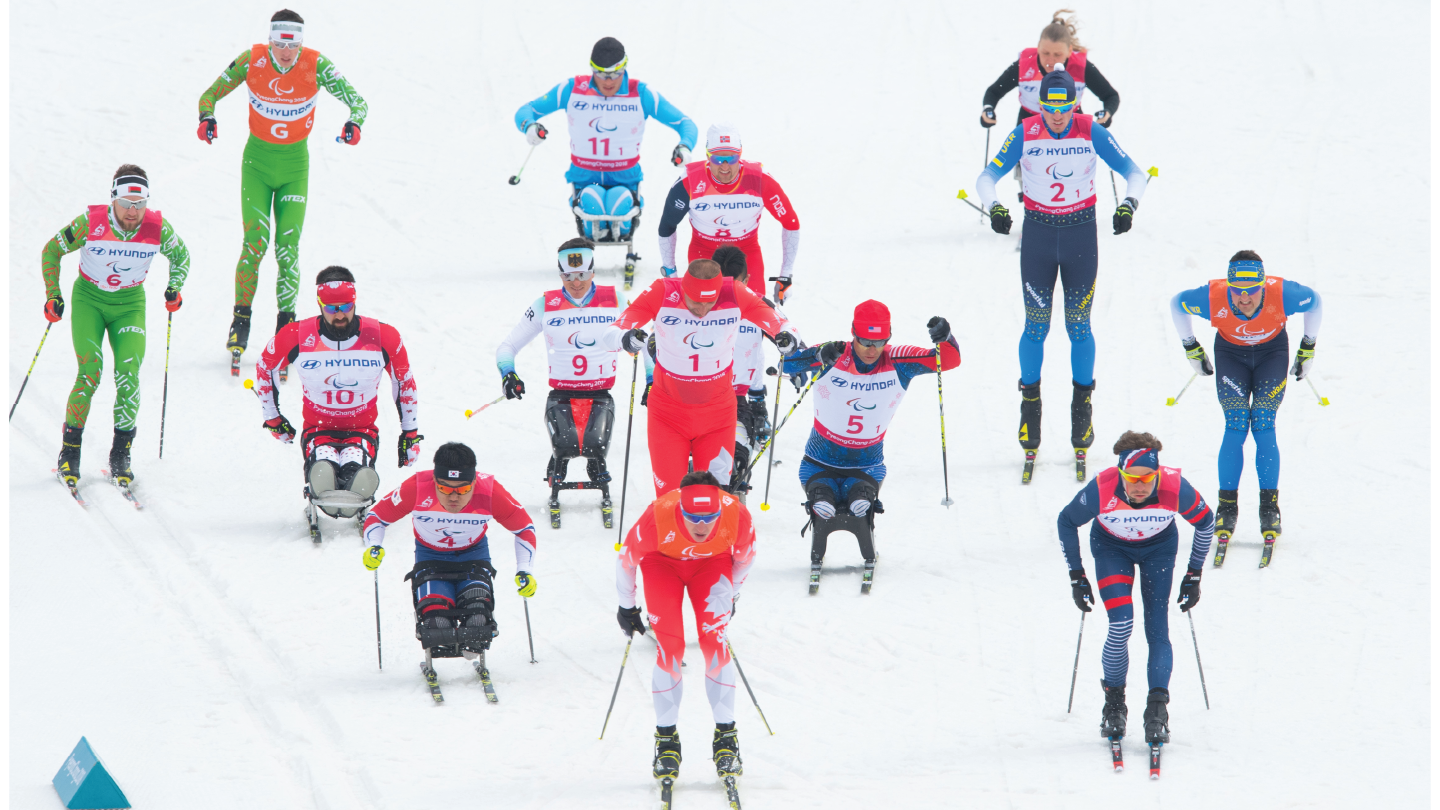
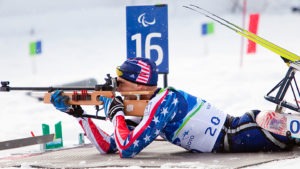
Para biathlon combines freestyle cross-country skiing and prone air rifle shooting: biathletes race on skis, then stop at shooting ranges to test their accuracy on targets. Para athletes do not carry their air rifle when skiing but pick it up at the shooting range. The winner is the athlete who finishes the competition with the fastest overall time.

Para Biathlon Categories & Disciplines

Para athletes compete across three main categories:

  • Standing
  • Sitting
  • Visually impaired

Paralympic para biathlon events include:

  • Individual: para athletes typically ski 12.5 km (with shorter distances based on categories) over 5 laps with 4 prone shooting sessions in between laps.
  • Sprint: para athletes ski 6-12.5 km over three laps with 2 prone shooting sessions in between laps
  • Middle distance: para athletes ski 6-15km over multiple laps with 3 to 5 prone shooting sessions between laps
  • Pursuit: making its debut at the Milano Cortina 2026 Winter Paralympic Games, top-ranked para athletes from the sprint event start at intervals and race to the finish line.

Para Biathlon Rules

Every para biathlon event requires athletes to use an air rifle equipped with an electronic targeting system. During rifle shooting, athletes only use the prone position when firing at targets. Visually impaired athletes use electronic rifles with sound signals to aim.

Each event, however, carries different interval starts, shooting rounds, and penalties for a missed shooting target. Penalties can include added distance (150-meter penalty loop) or added time (1-minute penalty).

The History of Team USA in Paralympic Para Biathlon

While the sport only debuted in 1988, Team USA has increasingly established success in para biathlon over the years.

In 2010, Andy Soule became the first American para athlete to win a medal in para biathlon, winning bronze, at the Vancouver 2010 Winter Paralympic Games. At the Beijing 2022 Paralympic Winter Games, Oksana Masters won the first gold medal for Team USA in para biathlon.

With rising talent and top para biathlon contenders from Team USA, the United States is expected to continue winning medals in para biathlon at the upcoming Paralympic Winter Games.

Fun Facts About Paralympic Para Biathlon

  • Athletes in the sitting class use a sit-ski (a chair mounted on skis) and, if necessary, a special rifle support for athletes with upper-limb impairments.
  • Visually impaired athletes use rifles with electronic sights (electro-acoustic rifles) that release sound, which increases in pitch as the shooter gets closer to the center of the target.
  • The shooting target sizes for visually impaired athletes are 21mm wide and 13mm wide for those with physical impairments.

Celebrate Biathlon and Para Biathlon Athletes at the U.S. Olympic & Paralympic Museum

The U.S. Olympic & Paralympic Museum in Colorado Springs celebrates the determination and skill of Team USA’s biathlon and para biathlon athletes. From historic milestones to triumphant stories, the Museum’s exhibits bring the excitement of the Winter Games to life. Discover the history of these athletes and what drives them to push the limits of endurance and precision, and plan your visit to Colorado Springs’ top sports attraction.

Notable Moments in Biathlon & Para Biathlon

Explore Hall of Fame Athlete By Sport

Skip to content