


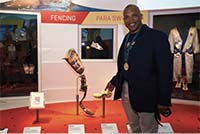


Lugers in the Olympics reach speeds of about 90 mph (145 km/h), and some runs go faster. Olympic luge sleds have no brakes, and every run is timed to the thousandth of a second.
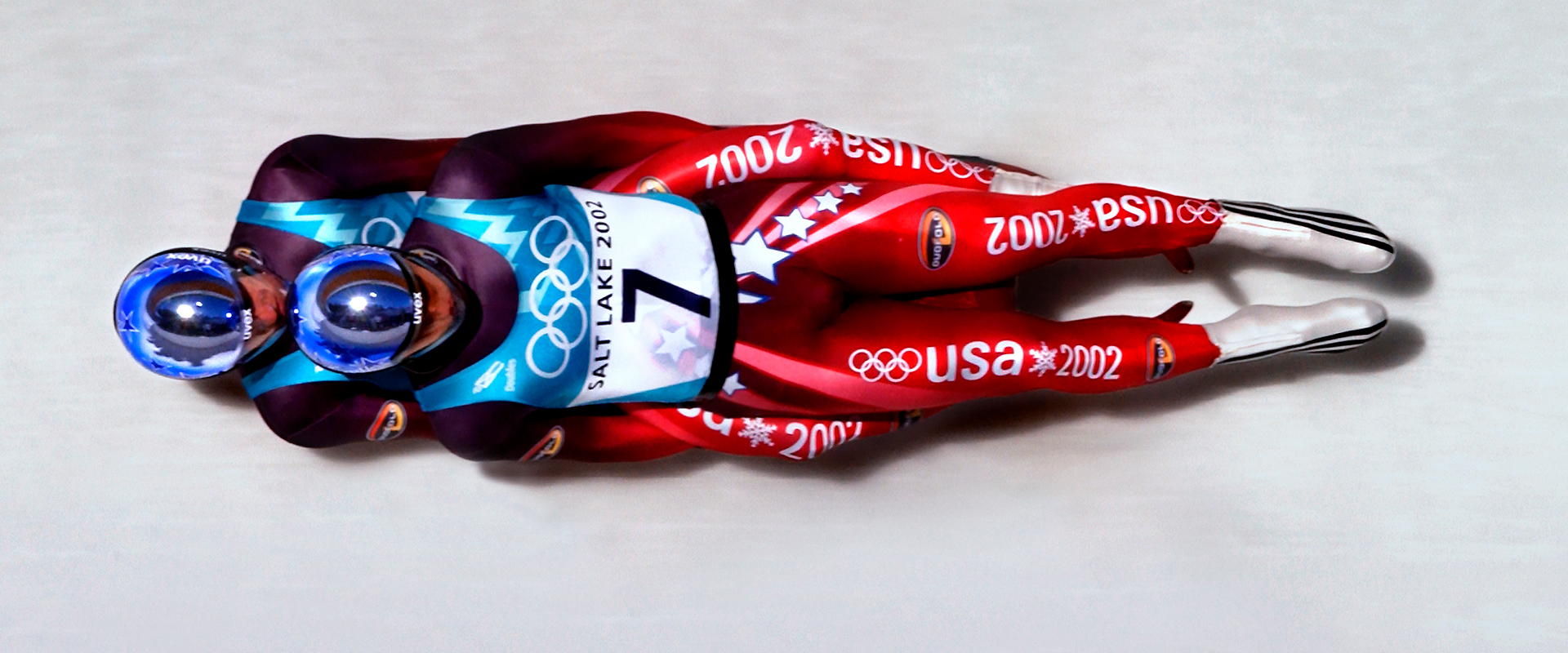

Luge is a winter sliding sport in which athletes race a small sled down an icy, banked track while lying on their backs, feet first. Sliders steer with subtle pressure from their calves and shoulders, and every run is timed to the thousandth of a second. Luge has been part of the Olympic Winter Games since Innsbruck 1964.
| Fact | Details |
|---|---|
| Also called | Lugeing. The name comes from the French word for sled. |
| Governing bodies | International Luge Federation (FIL), founded in 1957; USA Luge, founded in 1979 |
| Olympic debut | Innsbruck 1964 (men’s singles, women’s singles, doubles) |
| Paralympic debut | Not a Paralympic sport |
| Events | Men’s singles, women’s singles, men’s doubles, women’s doubles, team relay (five events since Milano Cortina 2026) |
| Event groups | Singles, doubles, team relay |
| How to win | Lowest combined time. Singles: 4 runs over 2 days. Doubles: 2 runs in 1 day. Timed to 0.001 seconds. |
| Top speeds | About 90 mph (about 145 km/h) |
| See it at the Museum | Winter Games Gallery:
|
The first international luge race was held in Switzerland in February 1883. Twenty-one racers from six nations competed, including the United States. Hotels in Davos organized the race on a 4-kilometer (2.5-mile) course from St. Wolfgang to Klosters. It ended in a tie between Georg Robertson, an Australian student, and Peter Minch, a mailman from Klosters, who both finished in 9 minutes, 15 seconds.
For decades, luge shared a governing body with bobsled. The first luge world championships were held in Oslo in 1955. Two years later, delegates from 13 nations met in Davos and founded the International Luge Federation (FIL). Luge joined the Olympic program at the Innsbruck 1964 Olympic Winter Games.
The United States had no formal luge program when the sport joined the Winter Olympics, so its first Olympic luge team was made up mostly of American soldiers stationed in Europe. USA Luge was founded as the national governing body in 1979, the same year the nation’s first refrigerated luge run was built in Lake Placid, New York, for the Lake Placid 1980 Olympic Winter Games.
Luge continues to evolve. In 2026, the FIL folded natural-track luge into a new discipline called Alpine Luge, which adds slalom and parallel slalom races on ski slopes. Olympic luge races on refrigerated, banked tracks built for the sport. Alpine Luge races on unrefrigerated natural ice tracks, snow tracks, and ski slopes.
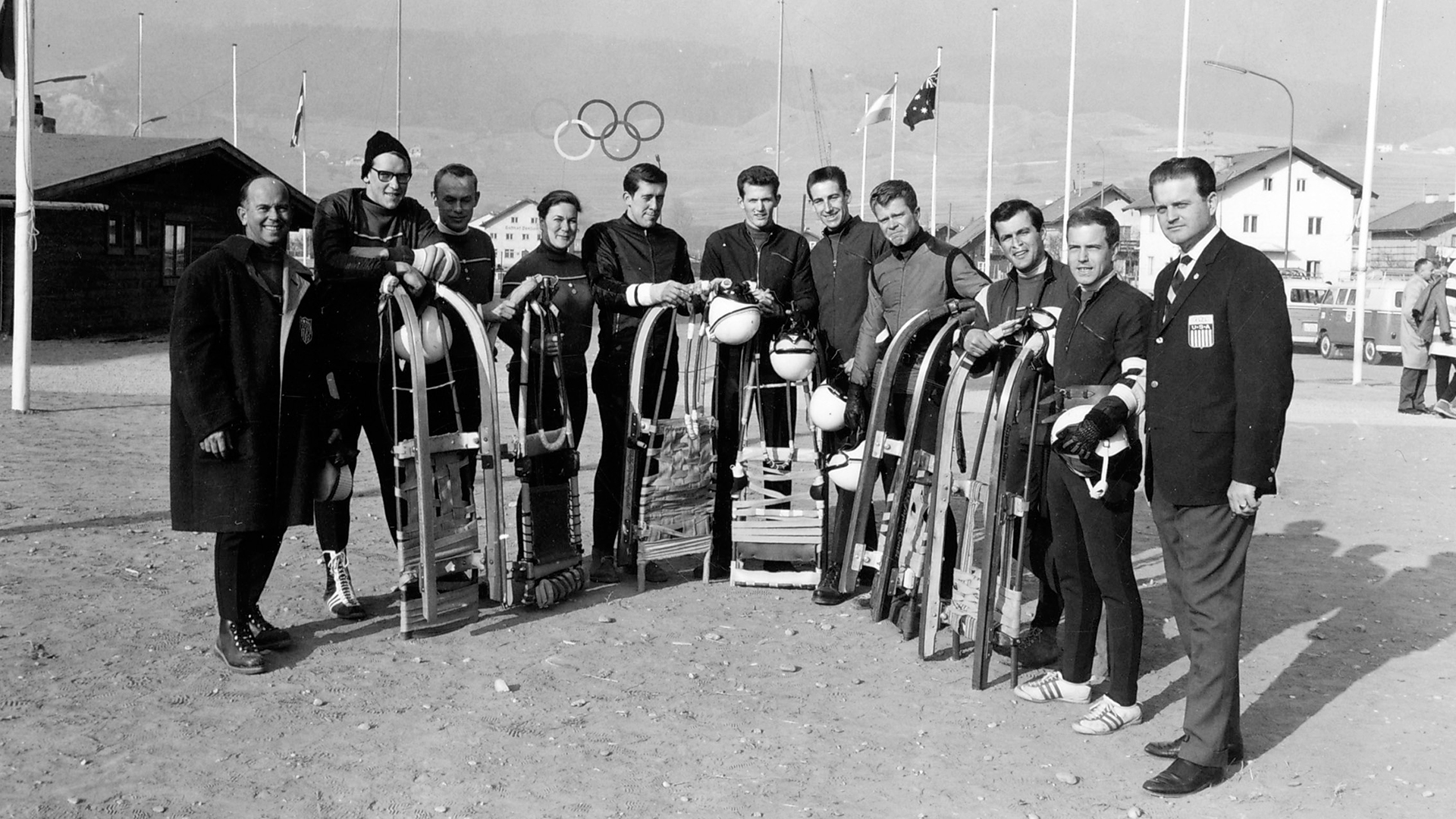
Luge joined the Olympic Games at the Innsbruck 1964 Olympic Winter Games with three events: men’s singles, women’s singles and doubles, which was open to both men and women. The team relay was added at the Sochi 2014 Olympic Winter Games. At Milano Cortina 2026, doubles split into separate men’s and women’s events, bringing Olympic luge to five events.
From the doubles sleds that broke through at Nagano 1998 to the first American singles medals at Sochi 2014 and PyeongChang 2018, Team USA’s lugers have written a story of firsts in a sport where Germany has long set the pace. Ashley Farquharson and two doubles pairs, Chris Thorpe and Gordy Sheer and Mark Grimmette and Brian Martin, are among the athletes who put the United States on the Olympic luge podium.
Erin Hamlin changed what was possible for American lugers when she won bronze in women’s singles at the Sochi 2014 Olympic Winter Games, the first Olympic singles luge medal for the United States. She also became the first American woman to stand on the Olympic luge podium, 50 years after luge’s Olympic debut.
Ashley Farquharson arrived at Milano Cortina 2026 seeded 16th of 25 sleds in women’s singles, at her second Olympic Winter Games. Over four runs, she slid onto the podium and won bronze in one of the surprise results of the Games.
Chevonne Forgan and Sophia Kirkby helped bring women’s doubles to the Olympic stage. In 2022, less than two years after they began sliding together, they won bronze at the first world championship held for women’s doubles, and they won bronze again at the 2024 FIL World Championships. At Milano Cortina 2026, they were the first pair down the track in the event’s Olympic debut, making the first run in Olympic women’s doubles history.
Chris Mazdzer delivered one of Team USA’s biggest luge breakthroughs. At the 2018 PyeongChang Winter Olympic Games, he won silver in men’s singles, the first Olympic singles luge medal for an American man, 54 years after luge joined the Games. The four-time Olympian announced his retirement in December 2023, ahead of a World Cup race in Lake Placid, New York, where his sliding career began.
Chris Thorpe and Gordy Sheer won Team USA’s first Olympic luge medal, taking doubles silver at the Nagano 1998 Olympic Winter Games. Thorpe returned to the podium four years later at Salt Lake City 2002, winning doubles bronze with a new partner, Clay Ives.
Mark Grimmette and Brian Martin reached the Olympic podium at back-to-back Games. They won doubles bronze at Nagano 1998, just 0.09 seconds behind teammates Thorpe and Sheer, then won silver on home ice at the Salt Lake City 2002 Olympic Winter Games. Grimmette, a five-time Olympian, was also one of eight athletes who carried the World Trade Center flag into the Salt Lake City 2002 opening ceremony.
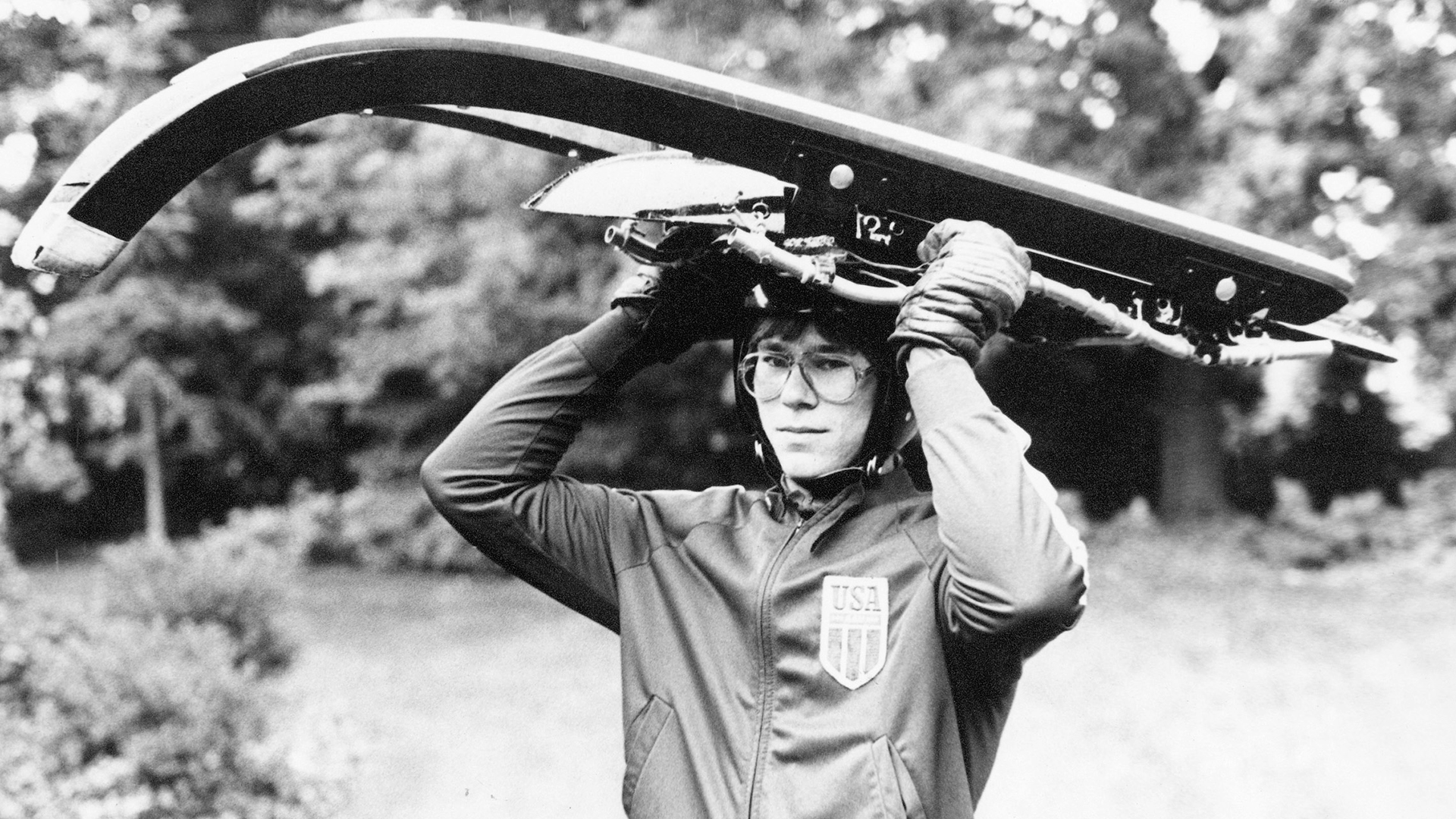
Team USA’s luge story is one of patience. The United States has raced luge at the Olympic Winter Games since the sport’s debut in Innsbruck in 1964, but it took 34 years, new tracks and a national program to reach the podium. Since that breakthrough at the Nagano 1998 Olympic Winter Games, U.S. sliders have won Olympic medals in doubles, women’s singles and men’s singles.
In luge’s early Olympic years, American sliders had no track at home built for the sport. They trained on the 1932 Olympic bobsled run in Lake Placid, New York, or on a short-lived track at Lolo Hot Springs, Montana. Some found the sport while serving in the military in Europe. Jack Elder discovered luge as a U.S. Army soldier in Germany after meeting an Innsbruck 1964 Olympian, and went on to race at Sapporo 1972. Training at home changed as Lake Placid prepared to host the Olympic Winter Games again. The nation’s first refrigerated luge run was built there in 1979, the same year USA Luge was founded, and luge came to American ice at the Lake Placid 1980 Olympic Winter Games.
Hear Jack Elder and Julia Clukey describe how they found luge in their StoryCorps conversation.
Team USA’s first Olympic luge medals came in doubles. At the Nagano 1998 Olympic Winter Games, Chris Thorpe and Gordy Sheer won silver and Mark Grimmette and Brian Martin won bronze in the same race. Four years later, on the Park City, Utah, track that opened in 1997, U.S. doubles sleds won silver and bronze again in front of a home crowd at the Salt Lake City 2002 Olympic Winter Games.
Singles medals took longer. At the Torino 2006 Olympic Winter Games, U.S. sliders finished 4th in both women’s and men’s singles, just off the podium. At the Vancouver 2010 Olympic Winter Games, on a track where speeds approached 90 mph, Team USA’s best result was 6th place in doubles by Christian Niccum and Dan Joye.
The wait ended at the Sochi 2014 Olympic Winter Games, when Erin Hamlin won bronze in women’s singles, the first Olympic singles luge medal for the United States. Four years later at the PyeongChang 2018 Olympic Winter Games, Chris Mazdzer won silver, the first in men’s singles, and the U.S. team relay finished 4th.
At the Milano Cortina 2026 Olympic Winter Games, Chevonne Forgan and Sophia Kirkby made the first run in Olympic women’s doubles history, and Ashley Farquharson won bronze in women’s singles.
Luge is not part of the Paralympic Winter Games. As of Milano Cortina 2026, the six Paralympic winter sports were Para alpine skiing, Para biathlon, Para cross-country skiing, Para ice hockey, Para snowboard and wheelchair curling. Visitors interested in sled-based Paralympic sports can explore Para ice hockey, also known as sled hockey.
Team USA’s first Olympic luge medals came in singles.
Team USA’s first Olympic luge medals came in doubles at the Nagano 1998 Olympic Winter Games, when Chris Thorpe and Gordy Sheer won silver and Mark Grimmette and Brian Martin won bronze in the same race. The first U.S. singles medal followed at Sochi 2014.
At which Olympic Winter Games did luge make its Olympic debut?
Luge joined the Olympic Winter Games at Innsbruck 1964 with three events: men’s singles, women’s singles and doubles.
How did the first international luge race, held in Switzerland in 1883, end?
Georg Robertson, an Australian student, and Peter Minch, a mailman from Klosters, both finished in 9 minutes, 15 seconds.
You got 0 out of 3 correct!
The U.S. Olympic & Paralympic Museum brings these U.S. luge athletes’ stories off the screen and into the immersive galleries.
Explore Team USA’s Olympic Winter Games history in the museum’s Winter Games Gallery. Sliding-sport fans can also see the “Night Train,” the four-man bobsled that carried Team USA to Olympic gold at Vancouver 2010. Its crew was inducted into the U.S. Olympic & Paralympic Hall of Fame in 2025.
The museum is built to be universally accessible, with features such as audio description, tactile navigation, and low-sensory options.
Plan your visit or take the Hall of Fame Tour.
Lugers in the Olympics reach speeds of about 90 mph (145 km/h), and some runs go faster. Olympic luge sleds have no brakes, and every run is timed to the thousandth of a second.
Luge, skeleton and bobsled are the three Olympic sliding sports. In luge, athletes lie on their backs and slide feet first. In skeleton, athletes ride face down and head first. In bobsled, athletes ride seated inside a steerable sled in teams of one, two or four. Luge has its own international federation, while bobsled and skeleton share a separate one.
In Olympic luge, athletes steer by pressing their calves against the sled’s curved runners and shifting their shoulders. The movements are small, so precision matters at high speed. At the start, lugers wear gloves with spiked fingertips and paddle along the ice to build speed.
Not as of Milano Cortina 2026. Team USA has won Olympic luge silver and bronze medals, starting with two doubles medals at Nagano 1998. Erin Hamlin won the first U.S. singles medal at Sochi 2014, and Chris Mazdzer won the first U.S. men’s singles medal at PyeongChang 2018.
The United States has two full-length, Olympic-style luge tracks: Lake Placid, New York, and Park City, Utah. Lake Placid’s original track hosted luge at the 1980 Olympic Winter Games, and the Park City track hosted luge at Salt Lake City 2002. Smaller tracks exist in Muskegon and Negaunee, Michigan.