




Early Life and Curling Journey
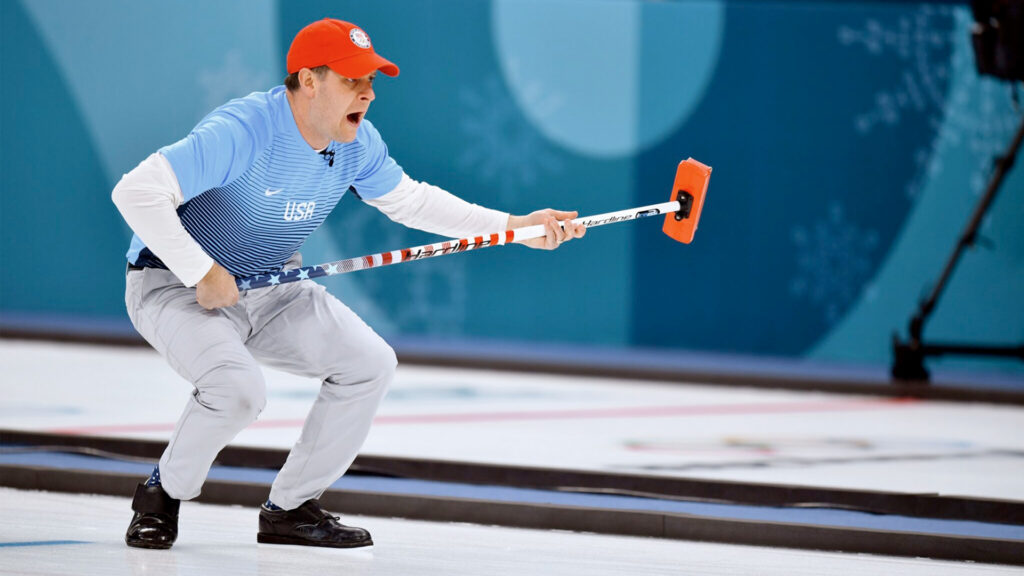
John Shuster became one of the most accomplished athletes in American curling after leading Team USA to its first curling gold medal at the 2018 Winter Olympics. Across five Winter Games, Shuster earned Olympic gold and bronze medals, helped elevate curling’s popularity in the United States, and built a legacy as one of Team USA’s most successful curlers.
Born in Chisholm, Minnesota, Shuster grew up in a region known for its strong curling tradition. He began competing at a young age and quickly developed a reputation for his strategic skill and leadership on the ice. By his early twenties, Shuster had already emerged as one of the top curlers in the country.
Olympic Career and Success
Beginning with the Turin 2006 Winter Games, Shuster competed at five Winter Olympics and became one of Team USA’s most accomplished curling athletes.
Shuster’s Winter Olympic Debut
- Turin 2006
- Team USA wins bronze in men’s curling
The achievement marked the first Olympic curling medal for the United States in men’s competition and introduced Shuster to the international stage.
Shuster’s Winter Olympic Experience
- Turin 2006
- Vancouver 2010
- Sochi 2014
- PyeongChang 2018
- Beijing 2022
Shuster earned Olympic gold and bronze medals across his career, becoming the first American curler to win multiple Olympic medals.
Team USA’s Historic Gold Medal
John Shuster became a defining figure in American curling after leading Team USA to its first Olympic title in the sport at the PyeongChang 2018 Winter Games.
Victory Over Sweden
From helping the United States earn its first Olympic medal in men’s curling as a member of the 2006 team to leading Team USA to gold as skip in 2018, Shuster became one of the most influential athletes in the history of the sport.
After a difficult start to the tournament, Team USA mounted an improbable comeback and advanced to the medal rounds.
In the gold-medal match against Sweden, Team USA delivered one of the most memorable performances in Winter Olympic History, securing the nation’s first-ever Olympic curling title. The victory helped introduce millions of Americans to curling and marked a turning point for the sport’s visibility in the United States.
Growing the Sport of Curling in the United States
Beyond Olympic competition, John Shuster has played an important role in the continued growth of curling across the country. Following Team USA’s victory in 2018, curling experienced a surge in popularity, with increased interest in local clubs, youth programs, and recreational leagues nationwide.
As one of curling’s most recognizable ambassadors, Shuster helped introduce new audiences to the sport’s unique blend of teamwork, strategy, and precision. His success also inspired a new generation of American curlers hoping to compete on the Olympic stage.
Legacy and Recognition
John Shuster’s Olympic career helped redefine the possibilities for American curling. From helping the United States earn its first Olympic medal in men’s curling in 2006 to leading Team USA to gold in 2018, Shuster became one of the most influential athletes in the history of the sport.
His leadership and achievements continue to shape the legacy of curling in the United States and remain an important chapter in Team USA Winter Olympic history.
Celebrate John Shuster’s Olympic Legacy at the U.S. Olympic & Paralympic Museum
The U.S. Olympic & Paralympic Museum honors athletes like John Shuster, who helped shape Team USA Winter Olympic history. From historic curling moments to interactive galleries celebrating the spirit of competition, visitors can discover the unforgettable story behind one of Team USA’s most historic Winter Olympic victories. Plan your visit to Colorado Springs’ top sports attraction today!