Winter Olympic & Paralympic Celebration

On the Road to the 2026 Milano Cortina

October 29 marks 100 days until the 2026 Milano Cortina Winter Games. Beginning on February 6, the Games will showcase 16 sporting events, including the Olympic debut of ski mountaineering. These Games will also be the most geographically widespread Winter Olympics in history.

During the 2026 Winter Games, the U.S. Olympic & Paralympic Museum will be open seven days a week, offering a variety of activities throughout the duration of the Games. Stay tuned for the full schedule of the 2026 Museum Games Experience.

Learn more about the 2026 Milano Cortina Winter Games below!

The Torch Relay

The Torch Relay has been a tradition at the Games since its introduction at the 1936 Summer Olympics in Berlin. The Winter Games first incorporated the relay at the 1952 Oslo Winter Olympic Games. While the relay traditionally begins in Olympia, Greece, Oslo marked a departure by starting the torch’s journey in Morgedal, Norway—an approach that became the standard for Winter Games beginning in 1964.

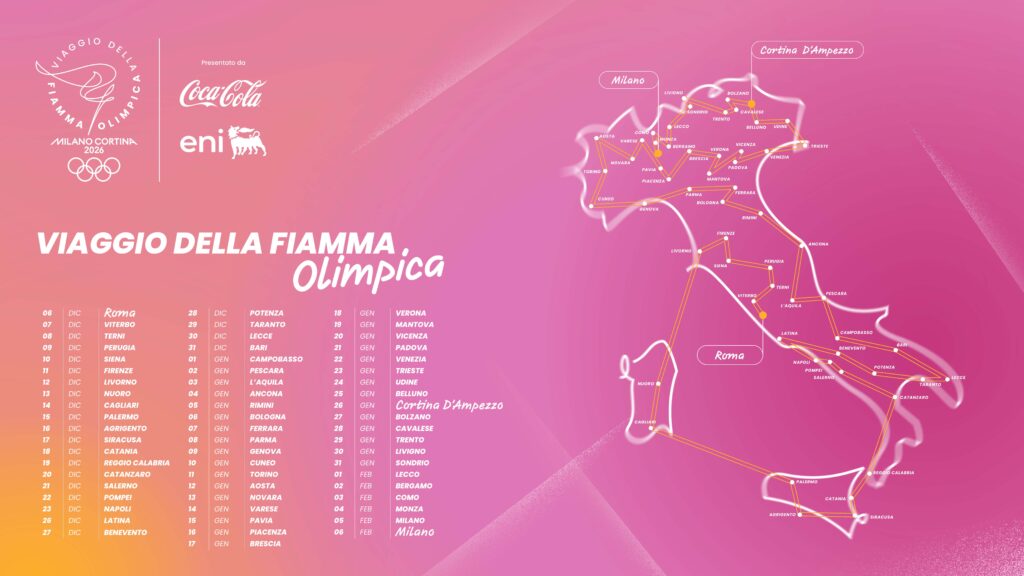
The 2026 Torch Relay will begin in Rome on December 6 and conclude in Milan on February 6.

Torches, Medals, Mascots, Oh My!

Every edition of the Games features its own torches, mascots, and medals—symbols that reflect the host nation’s culture and values while giving each Games a distinct identity. This practice also ties the traditions of the modern Games back to their ancient origins.

Learn more about the 2026 Milano Cortina Torches, Medals, and Mascots below.

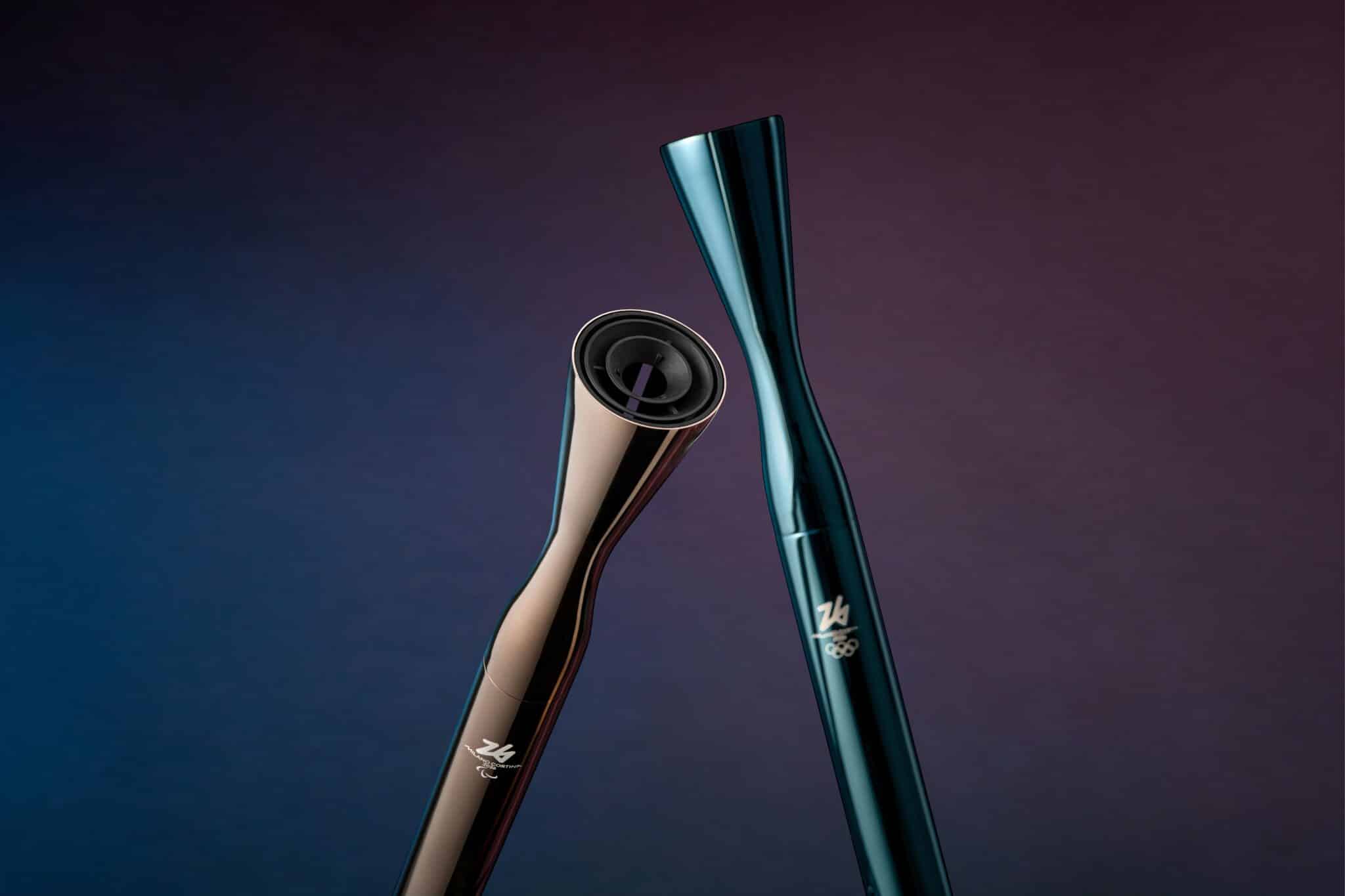
The torches, named Essential, pay tribute to the excellence of Italian design. Every detail embodies the strength and determination of the athletes while symbolizing the unifying power of sport. Weighing just 2.34 pounds, each torch is primarily crafted from recycled materials such as aluminum and brass alloy. Sustainability guided the design, with a refillable system that allows each torch to be reused up to ten times—significantly reducing the number needed for both relays.

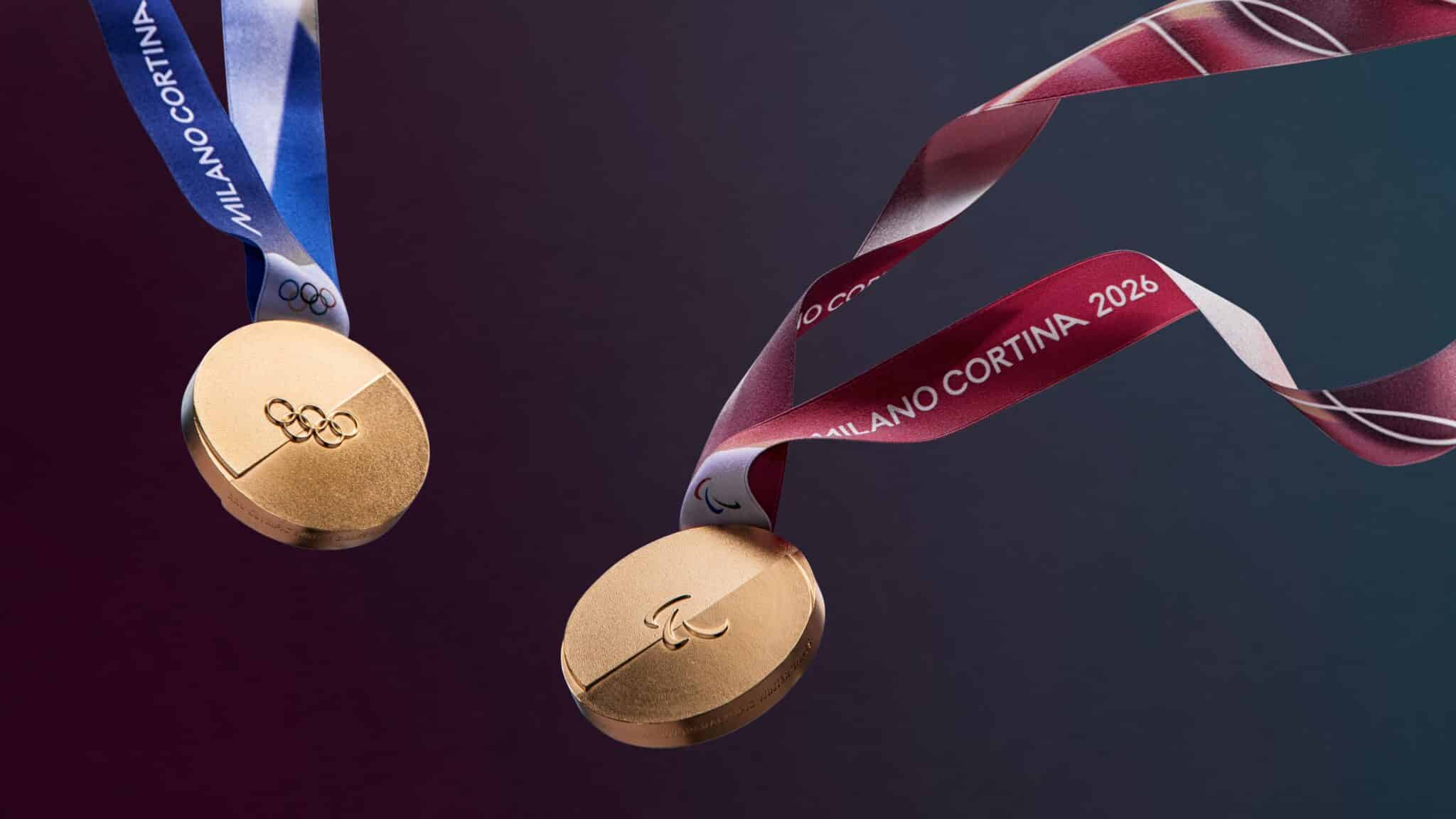
The medals are designed with geometric simplicity, inspired by the timeless elegance of Italian Avant-Garde. Their youthful, vibrant style reflects the spirit of contemporary Italy. Each medal is formed of two halves that join to create a whole—symbolizing unity through difference. This design embodies a sense of belonging and affirms the shared Olympic and Paralympic values

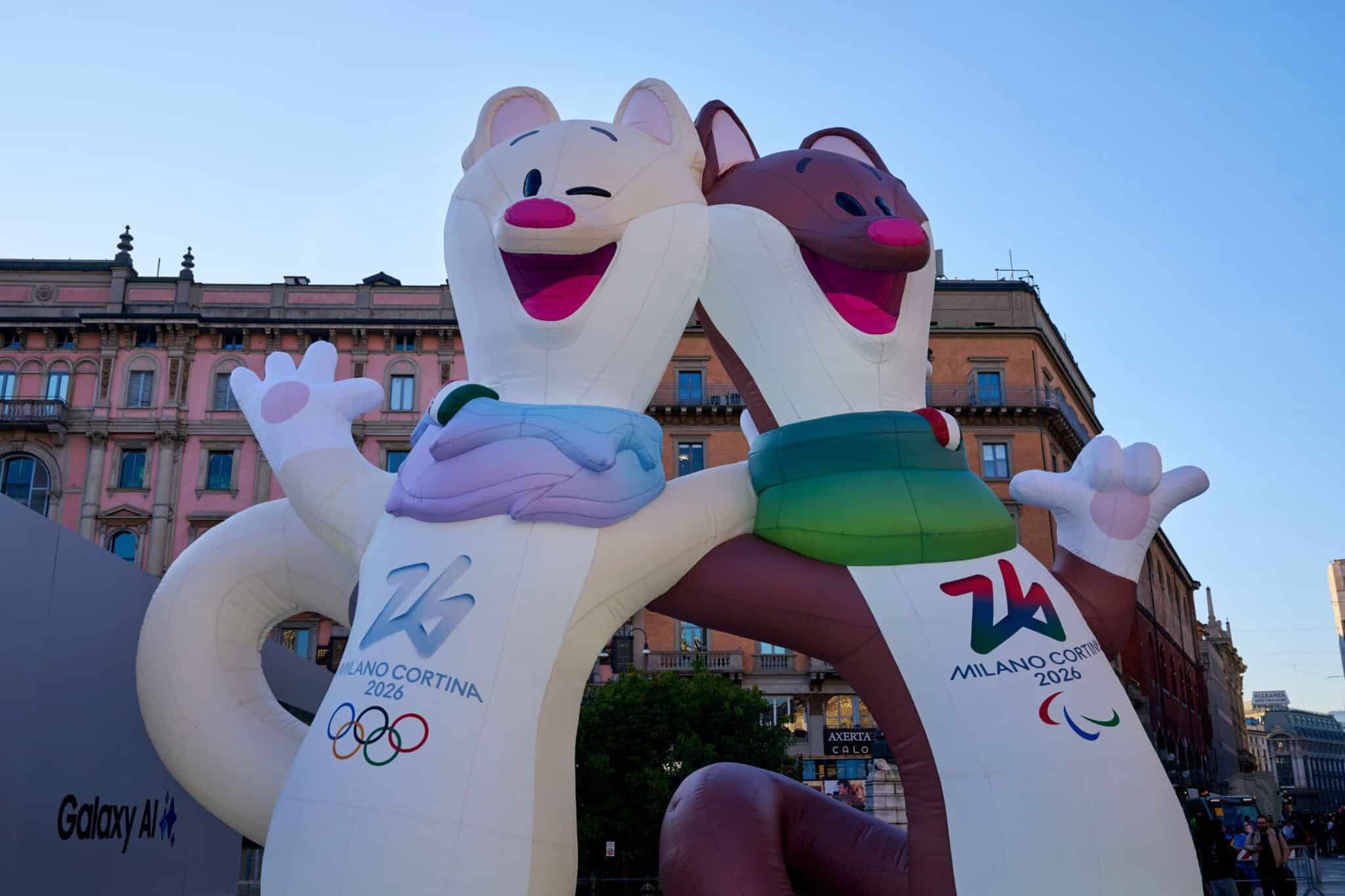
Tina and Milo are stoats chosen to embody the spirit of the Winter Games, reflecting liveliness and adaptability. Tina is named after Cortina, and Milo after Milano. Though siblings, they have distinct personalities and appearances.

Tina: Creative and artistic, she believes in the transformative power of beauty. Her motto: ‘Dream big!’

Milo: Resilient and inventive, he overcomes the challenge of a missing leg by using his tail. His motto: ‘Obstacles are trampolines!’


Milano Cortina 2026 Winter Games preparation - Anterselva Biathlon Arena.

While Milan has never hosted the Olympic Games, Cortina d’Ampezzo did so in 1956. At those Winter Games, the United States earned seven medals across figure skating, ice hockey, and bobsled.

Cortina dAmpezzo 1956 Winter - The Ampezzo valley.

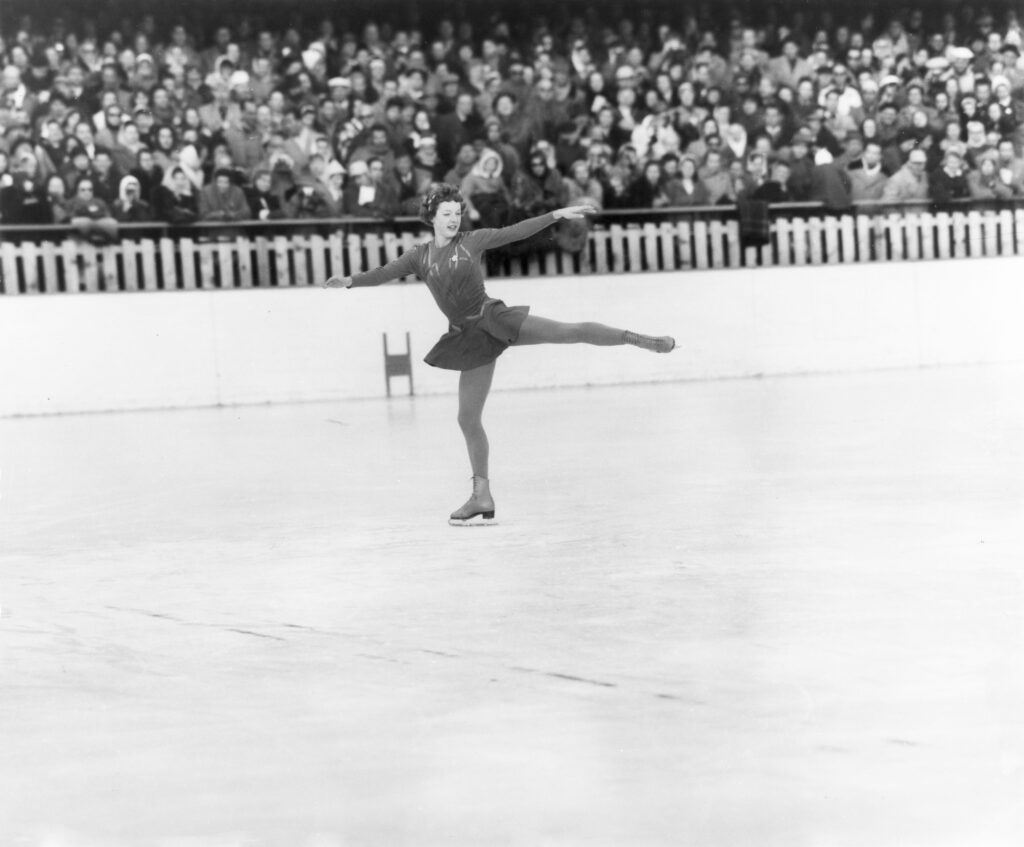
Among those seven medals, the United States dominated in Figure skating with Tinley Albright securing gold in the Women’s Singles and Hayes Alan Jenkins securing gold in the Men’s Singles.

Tinley Albright was inducted into the United States Olympic & Paralympic Hall of Fame in 1988.

Figure skater Tenley Albright.
Skip to content